


Góðan dag,
Victoria from Techpoint here,
Here’s what I’ve got for you today:
- Digital driving licence coming to South Africa
- Libya Telecom confirms ongoing network attacks
- Liberia plans to reach learners in remote areas
Digital driving licence coming to South Africa
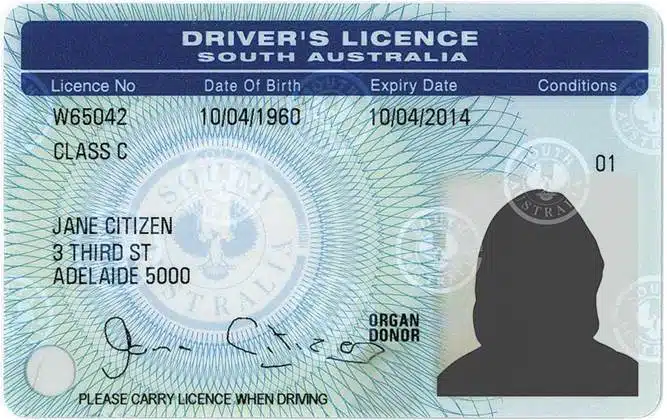
South Africa is preparing to make two major changes to how driving licences work: extending the validity of licence cards from five years to eight and introducing a digital driving permit to sit alongside the physical card. Government officials say both moves are already in motion, even as final checks continue behind the scenes.
For drivers, this means fewer renewal trips and less paperwork over time. The shift to an eight-year validity period responds directly to public frustration with frequent renewals, while the digital licence forms part of a broader push to modernise how citizens access government services.
The digital licence prototype was built in just three months by a small team in the Presidency and showcased in November by Communications Minister Solly Malatsi at the Global Digital Public Infrastructure Summit. Demonstrated live from a smartphone, the system showed how drivers could renew licences online and store a digital permit through the MyMzansi platform.
MyMzansi sits at the heart of South Africa’s Digital Transformation Roadmap, launched in May 2025. The plan aims to create a single digital identity for citizens, enable data sharing across government, support digital payments, and offer a zero-rated platform where people can access public services even without mobile data.
While the eight-year licence extension is expected “soon,” the Department of Transport is still reviewing the financial impact, especially on the Driving Licence Card Account, which relies on renewals for revenue. At the same time, Home Affairs is pushing ahead with plans to digitise identity services and eventually phase out the green ID book, signalling that driving licences may just be the beginning of a much bigger digital shift.
Libya Telecom confirms ongoing network attacks
Libya’s Internet backbone is under attack, and it’s not a one-off. State-owned Libya Telecom and Technology (LTT) says it is still dealing with a sustained Distributed Denial of Service (DDoS) attack targeting its core systems, raising fresh concerns about the resilience of the country’s digital infrastructure.

Victoria Fakiya – Senior Writer
Techpoint Digest
Stop struggling to find your tech career path
Discover in-demand tech skills and build a standout portfolio in this FREE 5-day email course
The company confirmed that the cyberattacks, which began last week, forced it to activate emergency response protocols almost immediately. According to Libya Telecom, the attacks were aimed at overwhelming its core network and disrupting internet and telecom services, but rapid intervention helped limit the damage and keep essential services running.
While services have largely remained stable, the incident highlights just how exposed Libya’s digital systems remain. Technical teams are now on round-the-clock monitoring duty as the company explores additional defensive measures to prevent escalation. Libya Telecom says protecting its core systems is critical, given that they underpin government services, financial transactions, businesses, and emergency communications.
This isn’t happening in isolation. Across Africa, major telecom operators have increasingly become targets for cyberattacks. In recent years, operators like MTN, Safaricom, Telkom South Africa, and Nigeria’s telcos have all reported DDoS attacks, data breaches, or ransomware incidents. As telecom networks become central to banking, elections, emergency response, and national security, taking one offline, even briefly, can have cascading consequences.
Libya’s situation is especially fragile. A 2023 industry assessment ranked the country among the most exposed to cyber threats in Africa, citing weak safeguards and constant attacks on national data centres operated by LPTIC, the state telecom holding company.
The timing is notable too: Libya Telecom is in the middle of a major fibre-optic upgrade, shutting down legacy telephone exchanges to modernise its network. That transition makes defending core systems even more critical because in today’s Libya, if the network goes down, much of the country goes with it.
How Liberia plans to reach learners in remote areas

Liberia is betting on screens, airwaves, and local teachers to fix a problem that classrooms alone haven’t solved. Yesterday, January 6, 2026, the Ministry of Education (MOE) officially rolled out the MOE Digital Learning Platform, alongside the Liberia Learns Digital Radio and TV Programme, in a move aimed at strengthening early-grade education across the country.
The launch, held at the Paynesville City Hall outside Monrovia, brought together government officials, lawmakers, development partners, educators, parents, students, and civil society groups. At its core, the initiative is about using technology, radio, and television to reach children who are often left out of the system, especially those in rural and hard-to-reach communities.
The new platform is designed for Grades 1 to 3, with a strong focus on foundational skills, like reading and basic numeracy. Lessons are delivered through curriculum-aligned videos, audio, and radio programmes created by Liberian teachers and tailored to local languages and classroom realities. To make the content more inclusive, all video lessons include sign language interpretation, while radio lessons ensure access for communities without reliable internet.
Education Minister Jarso M. Jallah, who formally launched the platform, said the goal goes beyond getting children into school. Many pupils, she noted, move from class to class without mastering basic reading and maths, a gap the digital platform is designed to tackle head-on. “This platform does not replace teachers; it strengthens them,” she said, stressing that technology must support quality teaching, not undermine it.
The initiative also aligns with President Joseph Nyuma Boakai’s ARREST Agenda for Inclusive Development, which places human capital at the centre of national progress. By transforming classrooms into recording studios and extending lessons beyond school walls, the ministry aims to deliver more consistent, high-quality instruction, ensuring that a child’s location no longer determines their ability to learn.
In case you missed it
- Beyond the headlines: What a “good exit” really looks like
What I’m watching
- The Science Behind Emotions and The American Bias | Dr. John Gottman
- Mohnish Pabrai: FASTEST Way To Financial Freedom! Proven Playbook For Quitting Your 9-5 In 9 Months!
Opportunities
- Don’t Miss the Africa Business Convention (ABC) 2026. It’s Africa’s #1 Business Conference & Investment Expo. Book your seat today here.
- Moniepoint is hiring for over 100 roles. Apply here.
- We’re hosting a debate on AI in daily life. Join us to share your insights and perspectives.
- Techpoint Africa is creating a video series where people discuss and debate policies and current events. If you enjoy thoughtful conversations, fill out this form. Apply here.
- Are you building a startup can feel isolating, but with Equity Merchants CommunityConnect? You can network with fellow founders, experts, and investors, gaining valuable insights and exclusive resources to help you grow your business. Click here to join.
- Help us make Techpoint better for you! Your feedback shapes what comes next (your responses may potentially save my job. A bit dramatic, but still). It will only take 30 seconds to tell us what works and what doesn’t. Fill it here.
- To pitch your startup or product to a live audience, check out this link.
- Have any fresh products you’d like us to start selling? Check out this link here.
- Follow Techpoint Africa’s WhatsApp channel to stay on top of the latest trends and news in the African tech space here.
Have a wonderful Wednesday!