



Dia dhuit,
Victoria from Techpoint here,
Here’s what I’ve got for you today:
- Camtel bets big on Blue Money to challenge MTN, Orange
- CBN introduces new fees for large cash withdrawals
- South Africa opens probe into Shein and Temu
Camtel bets big on Blue Money to challenge MTN, Orange

State-owned telecom operator Camtel is gearing up to launch its new mobile-money service, Blue Money, in 2026, a big move that could shake up Cameroon’s digital payments space. The plan, disclosed by the Minister of Posts and Telecommunications, is one of Camtel’s lead projects for the coming years. The company already established Blue Money with initial capital of CFA 500 million and installed Jean Marie Aimé Ottou as board chairman to oversee the rollout.
For Cameroon, Blue Money’s arrival comes at a pivotal moment. The mobile-money market has long been dominated by a duopoly: MTN Mobile Money and Orange Money, which together handle more than 80% of electronic transactions. But recent years have seen fresh competition, such as the US-backed fintech Wave, which offers free deposits and withdrawals and low transfer fees, a model that’s challenging entrenched habits and pricing. Blue Money now adds a major national player to that mix.
Why does this matter? Because the potential for growth in digital money in Cameroon remains enormous. Mobile money use has surged in the last few years, as more people shift from cash thanks to increasing smartphone penetration and demand for financial inclusion, especially in rural areas. For a public operator like Camtel, with a nationwide telecom backbone and fibre-optic network, including coverage in rural zones, there’s a real chance to drive deep into underbanked communities and bring many more users into the financial system.
Still, the challenge won’t be easy. To break into a market where users already trust long-standing providers, Blue Money must offer something clearly different, whether that’s lower fees, easier access in hard-to-reach areas, better reliability, or extra features like merchant payments, bill payments, or cross-border transfers. If the service mixes affordability with convenience, Camtel might turn its technical backbone into a competitive edge.
The timing also reflects broader shifts in Africa’s digital finance landscape. As mobile money markets mature, telecom operators are increasingly looking to monetise their infrastructure beyond connectivity, tapping into payments, savings, remittances, and financial services. By launching Blue Money now, Camtel makes a bet that Cameroon’s appetite for digital financial services will continue to grow, especially among younger populations and urban-to-rural users.
Ultimately, Blue Money’s trial may signal a new chapter for Cameroon’s payments economy. If it succeeds, it could intensify competition, lower costs, expand access, and shake up the dominance of MTN, Orange, and newer fintechs. But if it misfires, Blue Money may struggle to gain traction in a crowded and competitive field.

Victoria Fakiya – Senior Writer
Techpoint Digest
Stop struggling to find your tech career path
Discover in-demand tech skills and build a standout portfolio in this FREE 5-day email course
CBN introduces new fees for large cash withdrawals

The Central Bank of Nigeria is tightening the taps on cash withdrawals again, and this time, there’s a price tag attached. From January 1, 2026, anyone who pulls out more cash than the allowed weekly limit will now pay an extra charge.
In a circular signed by Dr Rita I. Sike, the CBN said the tweaks are part of its effort to rein in the rising cost of managing physical cash. The regulator reminded Nigerians that these cash policies didn’t start today. They were first introduced to curb security concerns, reduce money laundering risks, and nudge the country towards more electronic payments.
But as the economy shifts, the CBN says the rules need a refresh. Per the circular, individuals who withdraw more than ₦500,000 weekly will now pay a 3% fee, while corporates taking out over ₦5 million will pay 5%. The revenue sharing? Banks keep 60%, while CBN takes 40%.
This is a big change from the previous policy, which didn’t even allow withdrawals above the set limits. Now people can go beyond the threshold as long as they’re willing to pay for it. ATM limits, however, remain unchanged: ₦100,000 daily, capped at ₦500,000 weekly.
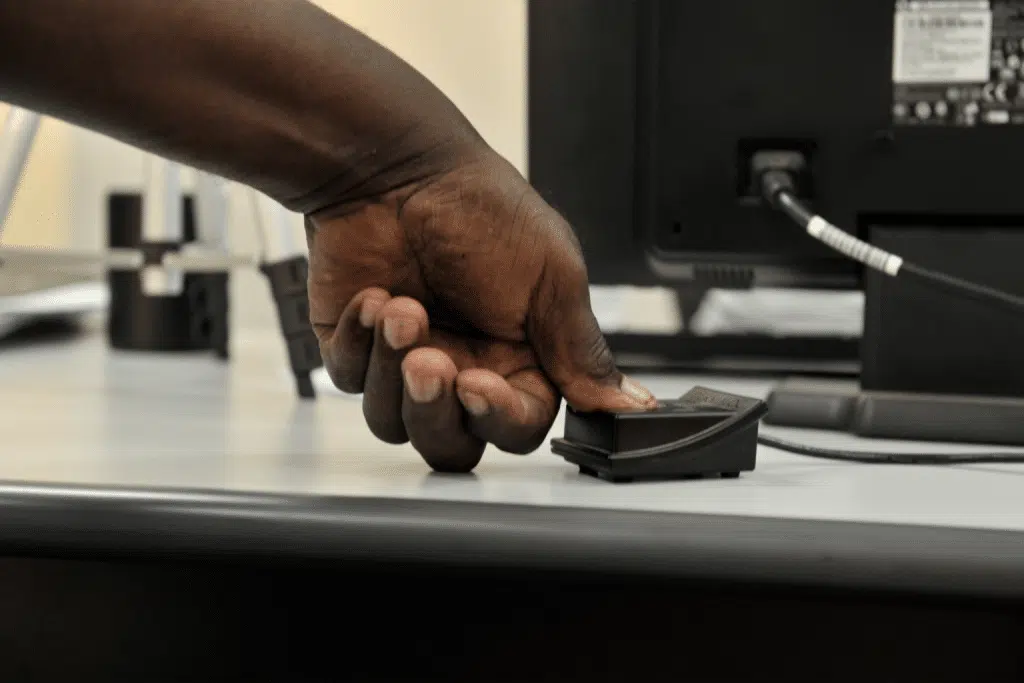
The CBN also scrapped the special authorisation that allowed individuals and corporates to take out ₦5 million and ₦10 million once a month. Banks will now have to submit monthly reports on large withdrawals and deposits, and they must keep separate accounts for the processing fees collected.
With these changes, the CBN is clearly pushing ahead with its broader financial sector reforms, a mix of tightening, restructuring, and getting banks to play by clearer, stricter rules.
South Africa opens probe into Shein and Temu

South Africa’s National Consumer Commission has opened a formal investigation into Chinese eCommerce giants Shein and Temu, following a spike in complaints from shoppers, per TechCentral. The probe, launched last month, November, will look into potential breaches of the Consumer Protection Act, everything from dodgy marketing to product quality, hidden fees, and unclear labelling.
The NCC confirmed that both companies have been notified and have agreed to cooperate. They’ve already received detailed questionnaires they must answer with evidence. If the commission finds wrongdoing, the case heads to the National Consumer Tribunal and the consequences could be steep: fines of up to R1 million or 10% of their annual SA revenue. In extreme cases, company directors could even face jail time.
Why this matters: Shein and Temu have exploded in popularity by offering ultra-cheap fashion and household goods, but South African consumers have increasingly complained about misleading advertising, poor product quality, and deliveries that don’t match what was ordered. The eCommerce space also generates the highest number of complaints at the consumer ombudsman, 26% of the total.
This isn’t the first regulatory heat the two rivals have faced. Last year, government tightened tax rules to close loopholes used by foreign online retailers, a move meant to level the playing field for local businesses. And while they operate in similar ways, Shein and Temu have been battling each other too. Shein is currently suing Temu in the US, accusing it of copying designs, lifting its photos, and selling counterfeit versions of its products.
The NCC says the investigation should wrap up by the end of its financial year on February 28, 2026, barring any surprises. For now, the message to consumers is simple: shop carefully, especially on platforms that fail the “traceability test,” where nobody can tell who owns the site or where your order is really coming from.
In case you missed it
- What the new CBN marketing regulations mean for financial institutions
What I’m watching
- Life Lessons From Older Americans Who Can’t Afford To Retire | Life Lessons | Business Insider
- The 5 Stages of Emotional Regulation — Are You Stuck at Stage 3?
Opportunities
- Have you bought any Techpoint Africa product before? We’d love your feedback! Fill out our customer survey and enjoy 15–20% off your next purchase this week. Fill the form here.
- The 13th Human Resources Bootcamp Conference will explore how human capability and AI are reshaping talent, technology, and organisational performance. It continues today, December 4, 2025, at the Oriental Hotel, Victoria Island, Lagos, HR leaders, CEOs, and innovators will share practical insights to help you prepare for the future of work. Register here with referral code HRBC.TECH.
- Moniepoint is hiring for over 100 roles. Apply here.
- IHS Towers is hiring a Health, Safety & Environment (HSE) Analyst. Apply here.
- Western Union is looking for a Business Development Associate, Junior, North and Anglophone West Africa based in Lagos, Nigeria. Apply here.
- MTN is hiring a Specialist, Commercial Planning and Analytics, Commercial, at Victoria Island, South West Region, Nigeria. Apply here.
- FairMoney is hiring a Golang Backend Engineer. Apply here.
- M-KOPA is recruiting a Director of Product Design. Apply here.
- Standard Bank Group logo is hiring a Team Lead, Northwest 1 & 2. Apply here.
- We’re hosting a debate on AI in daily life. Join us to share your insights and perspectives.
- Techpoint Africa is creating a video series where people discuss and debate policies and current events. If you enjoy thoughtful conversations, fill out this form. Apply here.
- Are you building a startup can feel isolating, but with Equity Merchants CommunityConnect? You can network with fellow founders, experts, and investors, gaining valuable insights and exclusive resources to help you grow your business. Click here to join.
- Help us make Techpoint better for you! Your feedback shapes what comes next (your responses may potentially save my job. A bit dramatic, but still). It will only take 30 seconds to tell us what works and what doesn’t. Fill it here.
- To pitch your startup or product to a live audience, check out this link.
- Have any fresh products you’d like us to start selling? Check out this link here.
- Follow Techpoint Africa’s WhatsApp channel to stay on top of the latest trends and news in the African tech space here.
Have a superb Thursday!
Victoria Fakiya for Techpoint Africa