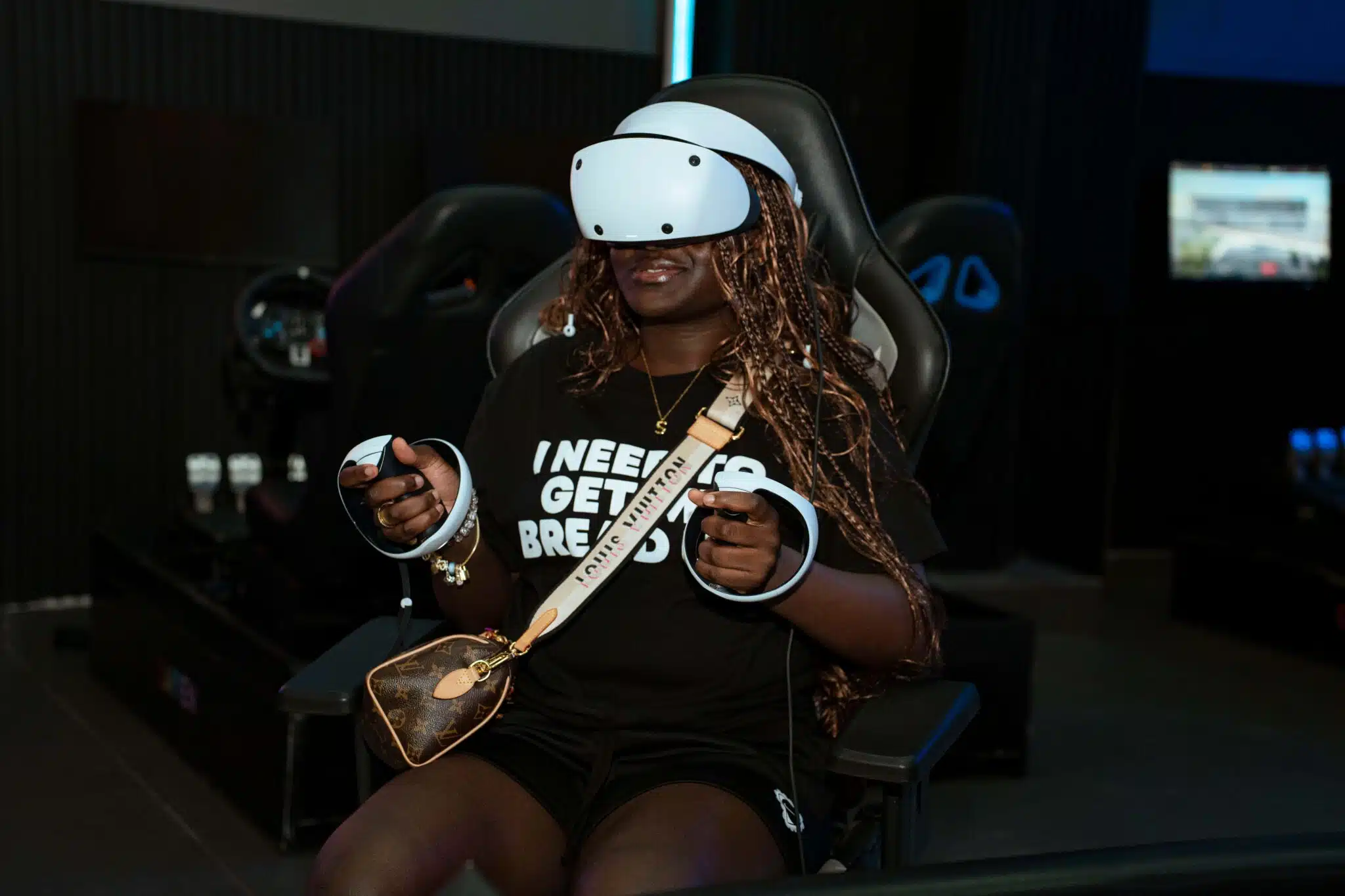


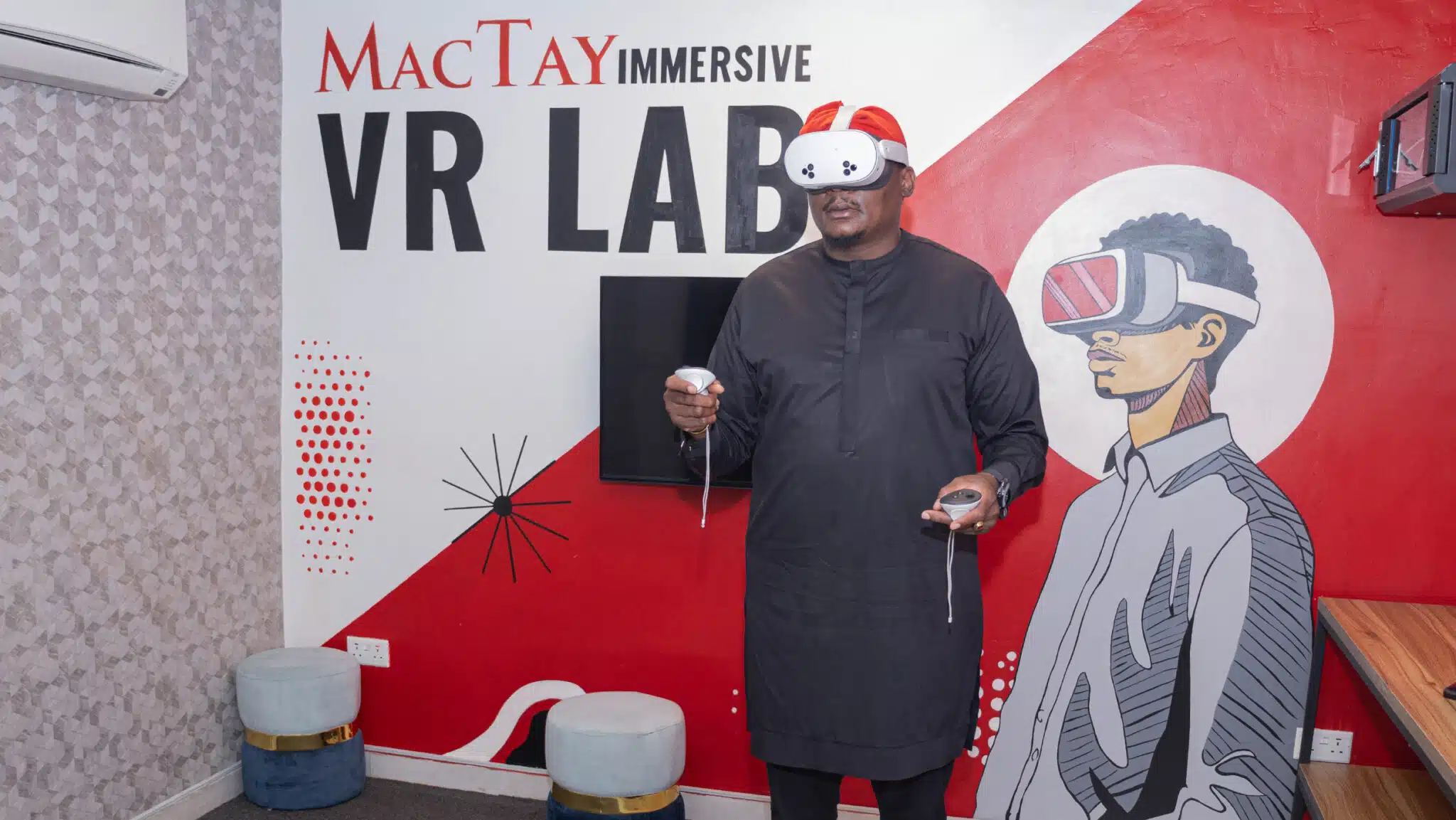

Over 300 emergency service professionals in Lagos have now been trained using virtual reality (VR) goggles. Inside the simulation, they are placed on the Lekki-Ikoyi link bridge, responding to a life-threatening accident and applying in real time what they would typically learn only in a classroom.
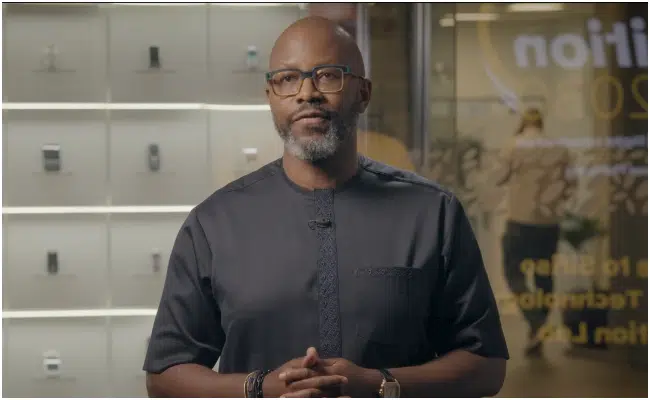
For Tunde Rotimi, who leads Strategy and Innovation at MacTay, the value is repetition without risk.
“It is very challenging to duplicate a high-risk environment,” he says, pointing to how impractical and commercially unviable it would be to recreate real emergencies like fires or major accidents for training. Instead, MacTay builds them virtually.
“We modelled the Lekki-Ikoyi link bridge and trained over 300 people there. You can’t have more than seven participants on that bridge at once; imagine training everyone there.”
The result is a training environment that feels close to reality but is far more scalable. Developed under MacTay’s Better Lagos Initiative, an effort focused on low-cost, high-impact, technology-driven solutions, the VR programme allows responders to practise repeatedly without the logistical and safety constraints of physical simulations.
That shift reflects a broader transformation inside MacTay itself. Founded over four decades ago as an HR consulting firm, the company is now repositioning as a technology-driven organisation.
“We are transitioning from an HR company that wants to deploy technology solutions to stay with the trend, to a technology company deploying HR solutions,” Rotimi explains.
At the centre of that shift is its growing focus on AI, particularly what it calls “precision AI solutions” designed to augment workers or automate specific workflows without replacing people entirely.
This push into technology is not just about commercial opportunity. MacTay is also working closely with the Lagos State government to deploy solutions across public sector systems, including healthcare.
That collaboration led to training first responders at the Lagos State Ambulance Service (LASAMBUS).
Training LASAMBUS first responders with VR
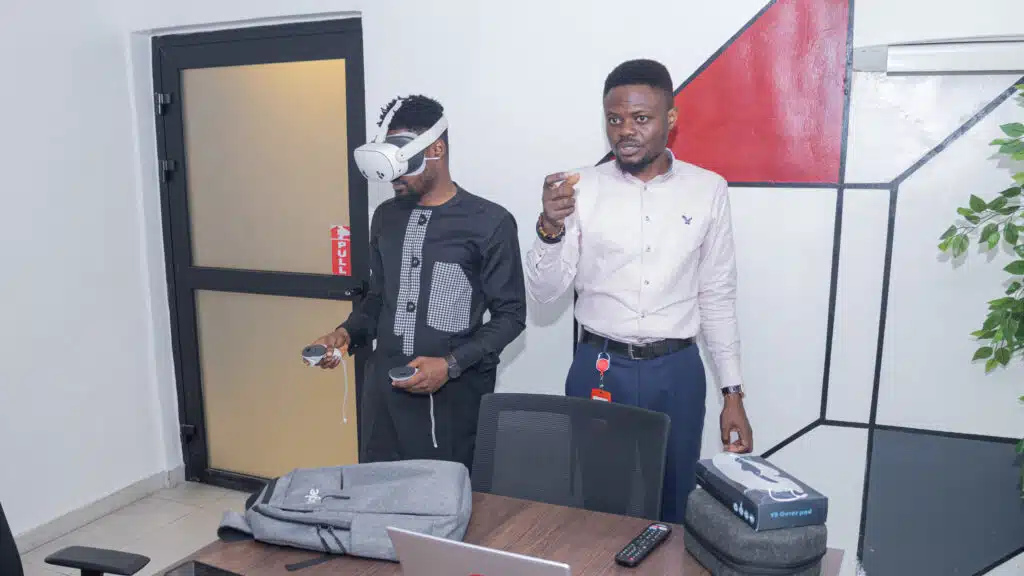
Interestingly, the technology was not originally built for emergency response. MacTay had first developed its immersive learning tools to improve STEM education in Lagos schools and help students better understand complex concepts by visualising them in three dimensions.
A student could, for instance, explore human anatomy from the inside or interact with a microchip beyond what a textbook can offer. That direction changed after engagements with the Lagos State Ministry of Health.
“We paused when we started engaging with the Ministry of Health in Lagos,” Rotimi says.
The same immersive capabilities designed for classrooms were quickly repurposed to simulate high-risk emergency scenarios where the stakes are far higher. Inside the VR experience, trainees are dropped into a bike accident scene on the Lekki-Ikoyi link bridge.
Using handheld controllers, they assess victims, check pulse and breathing through haptic feedback, administer first aid, and coordinate evacuation as an ambulance arrives. The system guides them with prompts, forcing decisions in real time much like an actual emergency would.
For first responders, that shift from theory to simulation is important because, according to Rotimi, it helps to build muscle memory.
Beyond VR
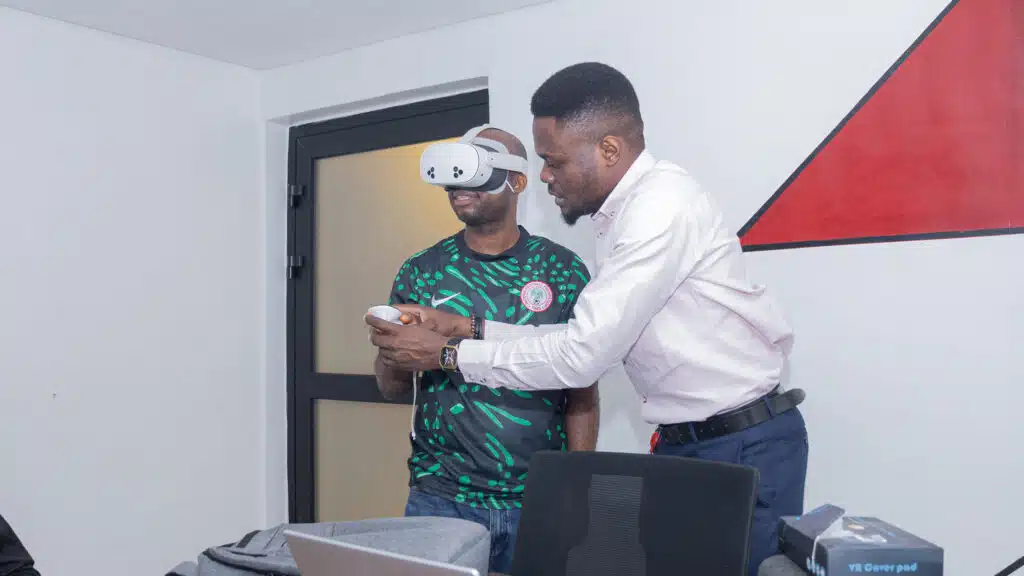
VR may still be widely associated with gaming, but its use in training is far from new. In healthcare, institutions like Johns Hopkins Medicine and Mayo Clinic have long used VR to train surgeons and simulate emergency scenarios, allowing professionals to practise high-risk procedures without real-world consequences.
Beyond medicine, construction firms run safety drills in virtual environments before workers step on-site, while military organisations such as the US Army rely on immersive simulations to prepare soldiers for high-pressure situations.
From hospitals to construction sites to battlefields, VR has become a practical tool for improving readiness, reducing risk, and building muscle memory.
MacTay’s use of VR to train ambulance workers fits squarely into this global shift—one where experience can be simulated, repeated, and refined without putting lives on the line.
Interestingly, this is not the first time VR has been used for purposes beyond entertainment in Africa. In Nigeria, startups like Imisi 3D have been experimenting with VR and augmented reality to deliver educational and immersive experiences, while StanLab focuses on bringing virtual science labs to schools without physical infrastructure.
Despite early momentum from 2016 to 2019, VR has largely remained on the fringes of mainstream adoption in the country.
More VR solutions
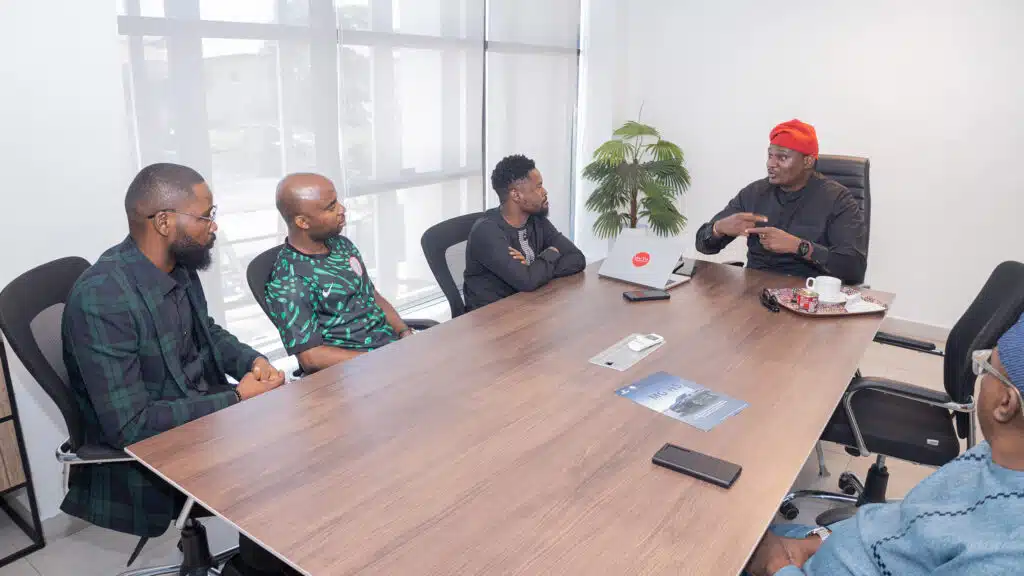
MacTay is in discussions with the Lagos State Ministry of Education to introduce VR into basic education and is also exploring deployments in higher institutions to make STEM learning more immersive and engaging.
For MacTay, VR is more than a training tool; it is a way to build capacity at scale, enabling more people to learn faster, more safely, and at lower cost. If that model proves successful, the company won’t just be solving a Lagos problem; it could be laying the groundwork to export immersive training solutions across Nigeria and, eventually, the rest of Africa.