


Hello,
Sarah here,
Here’s what I’ve got for you today
- The man who scaled two Nigerian digital banks
- Why network is bad in Abuja
- Bosun Tijani’s clarification on banditry and special technologies
The man who scaled two Nigerian digital banks
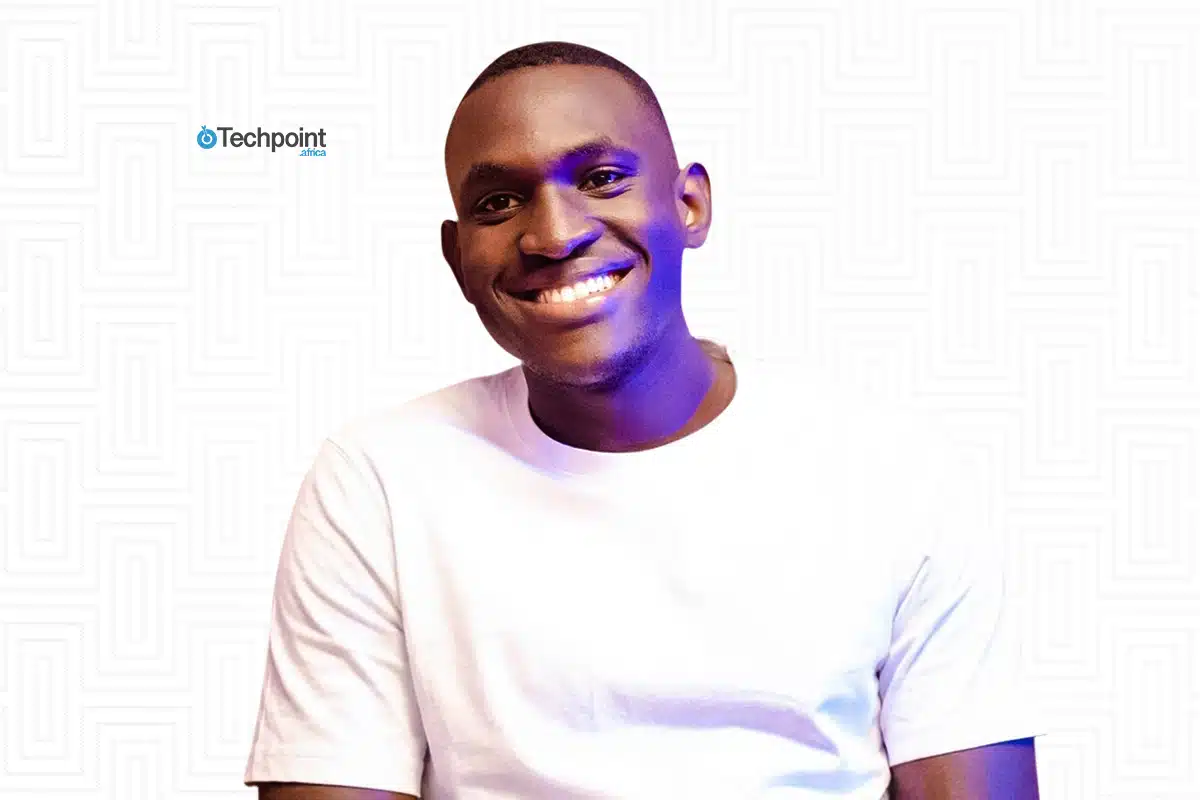
Segun Adeyemo has been behind some of Nigeria’s most visible digital banking growth stories, even if his name doesn’t always come up first.
From helping Sterling Bank’s GoMoney find product-market fit to scaling Kuda Bank into a mass-market name, his work has quietly shaped how millions of Nigerians interact with digital finance.
Segun’s path into tech and banking was built on years of early exposure to computers, cybercafes, and digital communication work across travel, fashion, and agency roles. By the time he joined Sterling Bank in 2020, right in the middle of COVID-19, he had a sharp understanding of user behaviour and growth. At GoMoney, that translated into renewed traction. At Kuda, it meant scaling from roughly two million users to about five million and pushing the product beyond early adopters into everyday use.
Today, he runs Sava Global, once a growth marketing agency and now as a venture studio. The goal is to help African startups scale intentionally and build products that directly address gaps in the ecosystem. One of those products, Traveler, is focused on making cross-border travel more accessible for young Africans.
To get the full scoop, check out Delight’s story for Techpoint Africa.
Diesel causes bad network in Abuja
What’s happening: Mobile connection in Abuja has been fuzzy for a few days, and according to the Nigerian Communications Commission (NCC), the culprit is diesel supply disruption at MTN and Airtel base stations.

Victoria Fakiya – Senior Writer
Techpoint Digest
Stop struggling to find your tech career path
Discover in-demand tech skills and build a standout portfolio in this FREE 5-day email course
Why it matters: Nigeria’s networks lean heavily on diesel-powered generators because the grid is unreliable. When that fuel doesn’t reach base stations, calls and data suffer.
The NCC says the outage stems from interruptions to diesel deliveries at sites run by IHS Nigeria Limited, the company that powers many MTN and Airtel towers.
What happens now? The NCC is talking with operators and stakeholders to restore supply and services and exploring longer-term solutions to reduce these kinds of outages. They’re urging patience while the fixes happen.
Bottom line: Until diesel supply stabilises, Abuja users might keep seeing slow or no service. It’s a reminder of how crucial reliable power is to mobile connectivity in Nigeria.
Bosun Tijani clarifies comments on why Nigeria can’t track bandits
Nigeria’s Minister of Communications, Innovation and Digital Economy, Bosun Tijani, says armed bandits are using advanced communication methods that make it harder for security agencies to track them even with SIM-to-NIN linkage in place.
What he claims: Tijani told Channels TV that criminals aren’t just using regular mobile networks but routing calls through multiple towers and unconventional channels, which complicates surveillance.
The federal government is investing in more telecom towers, satellite upgrades, and fibre expansion to close coverage gaps and improve tracking in remote areas. According to Tijani, stronger infrastructure will make it harder for criminals to exploit weak network spots.
SIM linkage debate: Despite mandatory NIN-SIM registration meant to make phones easier to trace, the minister did not confirm that unregistered SIMs are still widely in use, saying the situation is technically complex.
Public reaction: Some tech people have publicly questioned the minister’s explanation, calling for clearer technical evidence of how this special technology works.
Zoom in: The government says advanced communication tactics by criminals and gaps in infrastructure are key hurdles in tracking bandits — and it’s pushing upgrades to fix that.
In case you missed it
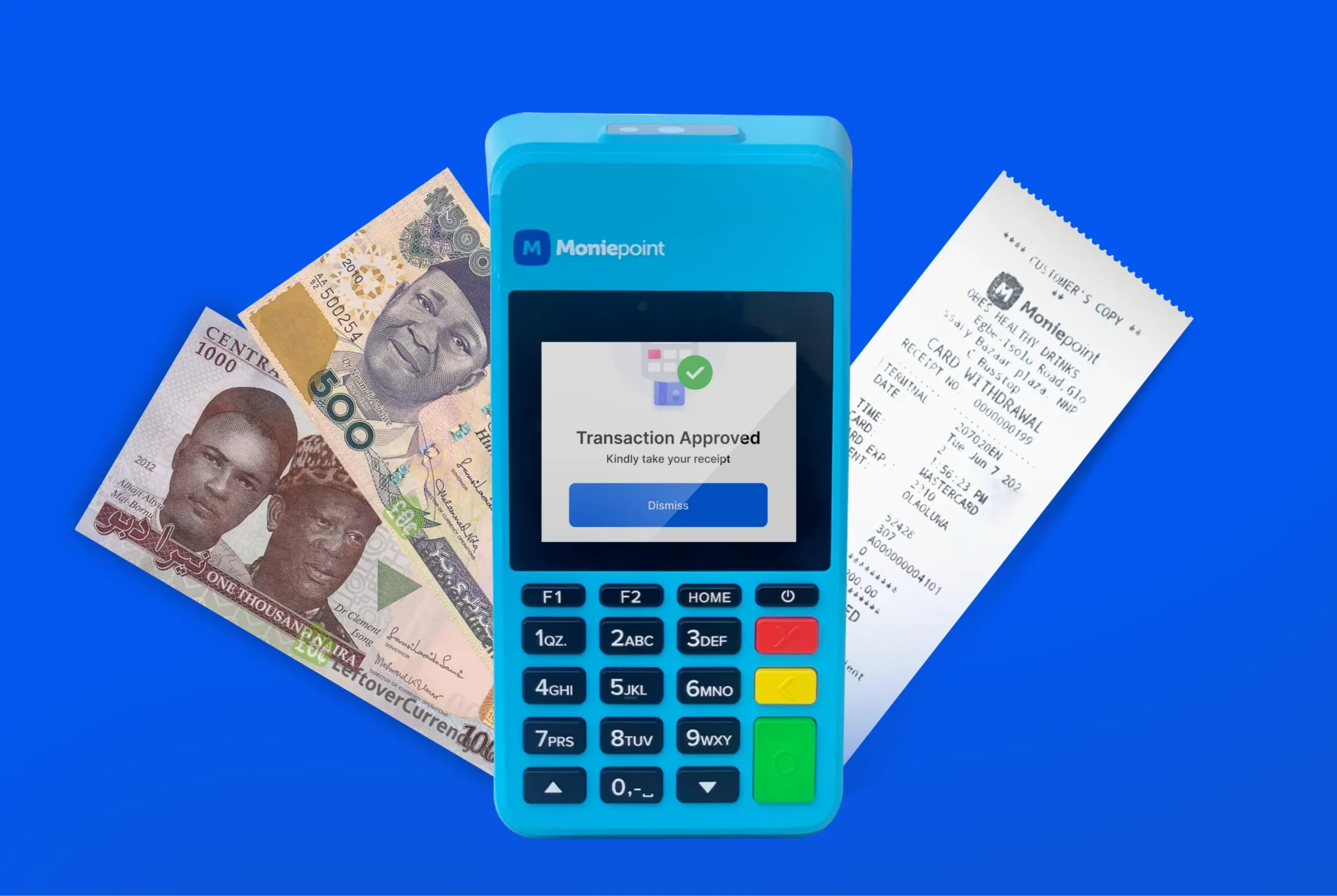
The CBN has given banks and fintechs 30 days to route all PoS transactions via NIBSS and UPSL
What I’m watching
- We Fooled Locals With Offensive City Plans
- Why Animal Eyes Look So Weird
Opportunities
- Cavista’s Code Create Conquer hackathon is here