
Linearsend, a Canadian fintech founded by Nigerians, just shipped the biggest update in Revve’s history. Revve 2.0 isn’t a patch, it’s a rebuilt app, and buried inside it is something no major remittance platform has tried before: letting users set their own exchange rate.
The Rebuild
Revve has always been about one thing: getting money from the diaspora to family back home, fast and without the usual friction. Revve 2.0 keeps that mission but rebuilds almost everything around it.
The interface is new top to bottom, but the more important changes are underneath. Transfers are now instant across a wider range of rails C2C, C2B, and integration that enables payout to Alipay, WeChat, and UnionPay, opening up faster delivery into corridors that used to take longer to settle. UK and Europe bank transfers are now built directly into the app, wallet management has been overhauled, and statements have been redesigned to actually be readable, a small thing that matters when you’re trying to track money across two currencies and two countries.
Onboarding is faster too, which matters more than it sounds: for a lot of remittance apps, the drop-off happens before a user ever sends their first dollar, lost to slow KYC. Revve has been tightening that funnel.
The app has also grown well past “send money.” The marketplace inside Revve 2.0 now covers airtime, bills, gift cards, pharmacy purchases through MedPlus, and loan products, the kind of everyday spending that diaspora users were previously handling through five different apps. Revve is betting it can be the one they actually keep open. An AI-powered support layer is also in development, aimed at cutting down the wait-on-hold problem that plagues most fintech customer service that’s coming in a future release, not part of this launch.
The Headline Feature: Revve P2P
The rebuild is the foundation. The feature actually turning heads is Revve P2P, a peer-to-peer currency marketplace that does something almost no remittance platform lets users do: negotiate their own rate.
The frustration it’s solving is a familiar one. You do the math before you send money home, you know roughly what your family should receive, and then the platform’s rate quietly eats into that math. Nobody explains why. You just accept it, because there’s rarely another option.
Revve P2P gives users an option. Instead of the platform setting the rate, users list what they’re selling and at what rate they’re willing to sell it. Another verified user on the platform sees the offer and decides whether to take it. Nothing moves until both sides agree and while a trade is pending, the seller’s funds are held in escrow, so nobody’s exposed if the other party doesn’t follow through. Once a bid is accepted, funds are locked in; if no one accepts, the listing simply expires. It’s a structure closer to how currency trading actually works than how remittance apps typically operate.
“Users have been telling us for years that they wanted more say in how their money moves, not just faster delivery,” said the Linearsend CEO. “P2P is our answer to that.”
Peer-to-peer money movement isn’t a new concept, but it’s rarely been attempted in remittance mostly because trust is fragile when real families’ rent money is on the line. Revve leans hard on identity verification to manage that risk: every user has to clear full KYC before they can trade at all, and only verified users are matched with each other. That removes a big chunk of the “who am I actually sending this to” anxiety that tends to kill P2P models before they get off the ground.
What’s Next
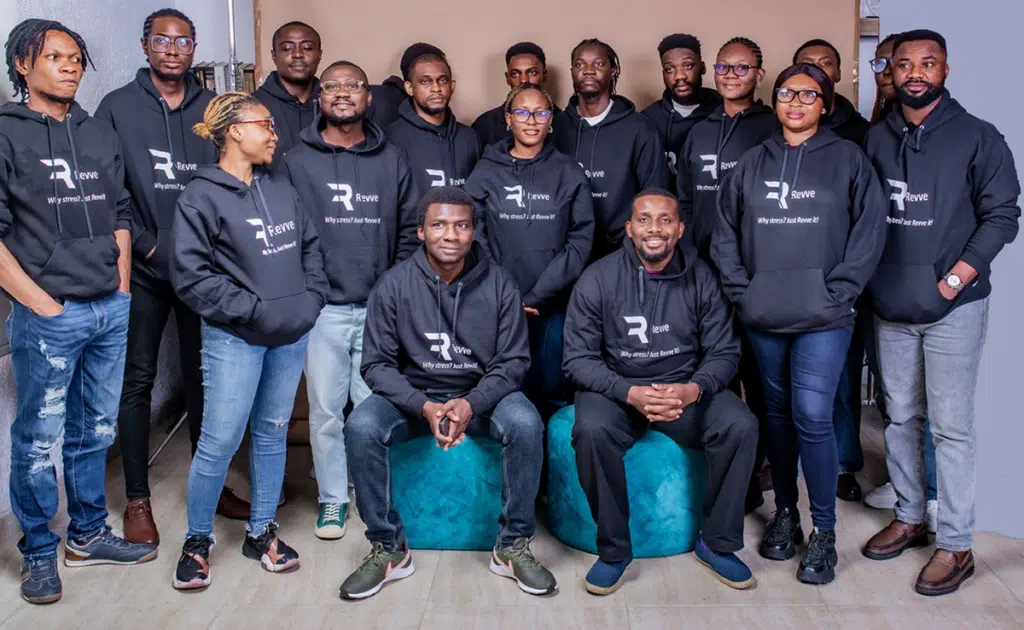
Whether P2P catches on will come down to something no press release can manufacture: whether people trust it enough to try it once. But a Canadian fintech built by Nigerians who understand this exact pain point handing pricing power back to users says something about where remittance might be heading next.
Revve 2.0 is live now for iOS and Android, serving diaspora users across Canada, the UK, US, and Europe sending money into Nigeria, Ghana, Kenya, Cameroon, and other African markets.