

Nigeria has over 30 licensed mobile wallets, yet most users are quietly losing money on fees simply because they chose the most visible app instead of the most efficient one.
Key takeaways
- OPay and PalmPay together serve over 90 million users, but many Nigerians still pay avoidable transfer fees outside these ecosystems.
- Mobile wallet adoption in Nigeria continues to grow steadily, with registered mobile money accounts increasing by 18.1% per 1,000 Nigerian adults as of November 2023.
- Transfer fees can vary widely. The average user can lose over ₦5,000 per year due to avoidable charges.
- Kuda crossed 7 million users largely on the back of zero maintenance fees and free monthly transfers.
- While Nigeria is one of West Africa’s largest markets, the country has historically lagged behind regional peers such as Ghana and Kenya in mobile money adoption.
I’ve looked at Nigeria’s digital wallet space, and the gap between what these wallets promise and what you actually experience often comes down to fees and real-world usability.
In this guide, I’ll walk you through the top mobile wallets in Nigeria, ranking them based on what actually matters when you’re using them every day.
Nigeria’s best mobile wallets at a glance
| Wallet | Best for | Transfer fee | Standout feature |
| OPay | Everyday transactions | Free intrabank | Massive user base & agent network |
| PalmPay | Bill payments & rewards | Free intrabank | Cashback on bills (up to 5%) |
| Kuda | Low-fee banking | Free (25 transfers/month) | Zero maintenance fees |
| Carbon | Credit and savings | ₦50 flat | Instant loan access |
| Moniepoint | Business collections | ₦10–₦50 | Strong SME infrastructure |
How I ranked the best mobile wallets in Nigeria
To build this list, I focused on how these wallets actually perform when used daily.
Here’s what I looked at:
- Transfer fees — both within the same wallet and to other banks.
- Daily transaction limits — how much you can realistically move without friction.
- Savings and interest features — whether your money can grow while sitting idle.
- Reliability — uptime, transaction success rates, and overall adoption.
- Use-case specialization — what each wallet is genuinely best at (not what it claims).
Platforms like OPay, PalmPay, and Kuda may all seem similar on the surface, but once you break them down using these criteria, the differences become obvious. And that difference matters more than most people realize.
Choosing the wrong wallet is a measurable financial leak. Between avoidable transfer fees and limitations that force you to use multiple apps, you could easily lose over ₦5,000 a year just from inefficiency.
Top 5 mobile wallets in Nigeria in 2026
1. OPay (best for everyday transactions)
| Year founded | 2018 |
| Owner | Opera |
| Headquarters | Lagos, Nigeria |
| Valuation | Nearly $3 billion (2024) |
| Funding | Raised over $570 million from investors, including SoftBank, Sequoia China, and Meituan |
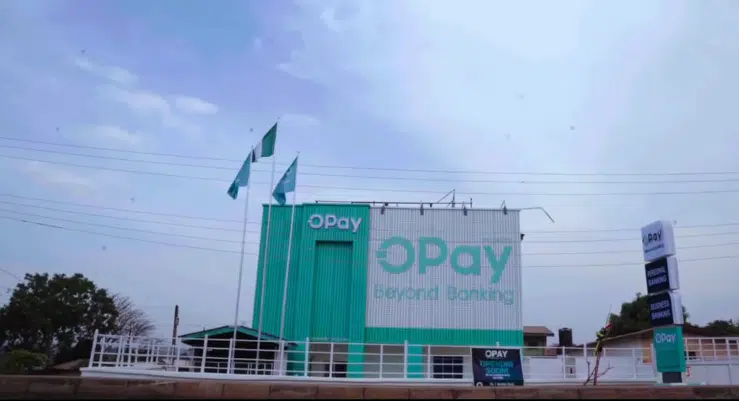
When I think about sheer scale in Nigeria’s fintech space, OPay is usually the first name that comes to mind. With over 60 million users and a network of 300,000+ agents, it has built one of the most dominant payment ecosystems in the country, especially in the POS market, where it reportedly controls a significant share.
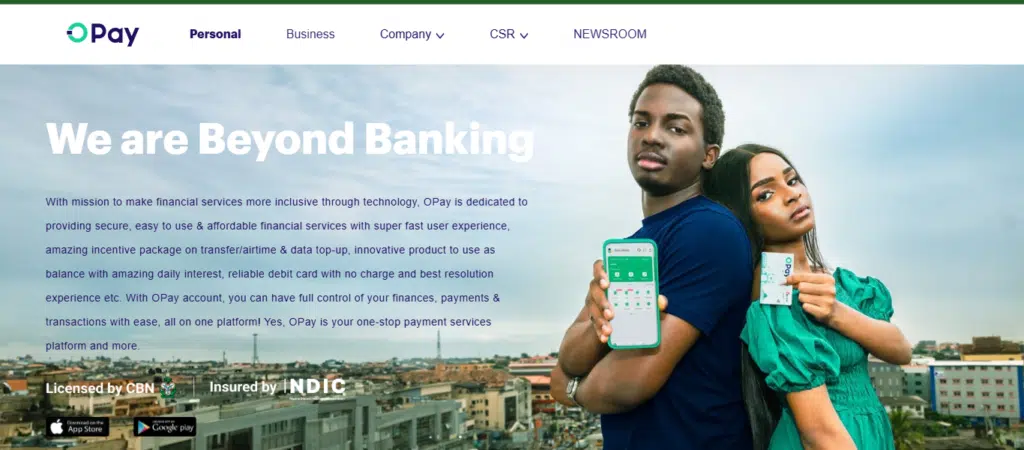
OPay stands out in how embedded it is in everyday transactions. From roadside vendors to supermarkets, chances are you’ve interacted with OPay, directly or indirectly. It has now evolved into a super app, combining payments, transfers, loans, and merchant services into one experience.
What it offers
- Free OPay-to-OPay transfers, and the interbank transfer fee starts at ₦5.
- Up to ₦5,000,000 daily transaction limit.
- Bill payments and airtime purchases.
- POS and agent banking services.
- Access to microloans and financial services.
Who can benefit from this wallet?
If you handle frequent daily transactions, OPay really shines. It’s especially useful for traders, POS agents, and cash-heavy users who need speed, reliability, and widespread acceptance.
2. PalmPay (best for bills and cashback rewards)
| Year founded | 2019 |
| Parent company | Transsnet (Transsion Holdings × NetEase) |
| Headquarters | Lagos, Nigeria |
| Valuation | Nearly $1 billion |
| Early growth strategy | Rapid growth via pre-installation on TECNO, Infinix, and itel devices |
PalmPay took a different route into Nigeria’s fintech space, and it worked. Instead of relying purely on app downloads, it rode on the back of smartphone distribution, getting pre-installed on millions of devices from Transsion brands. That early distribution advantage, combined with aggressive rewards, helped it scale to 35 million+ users in a relatively short time.
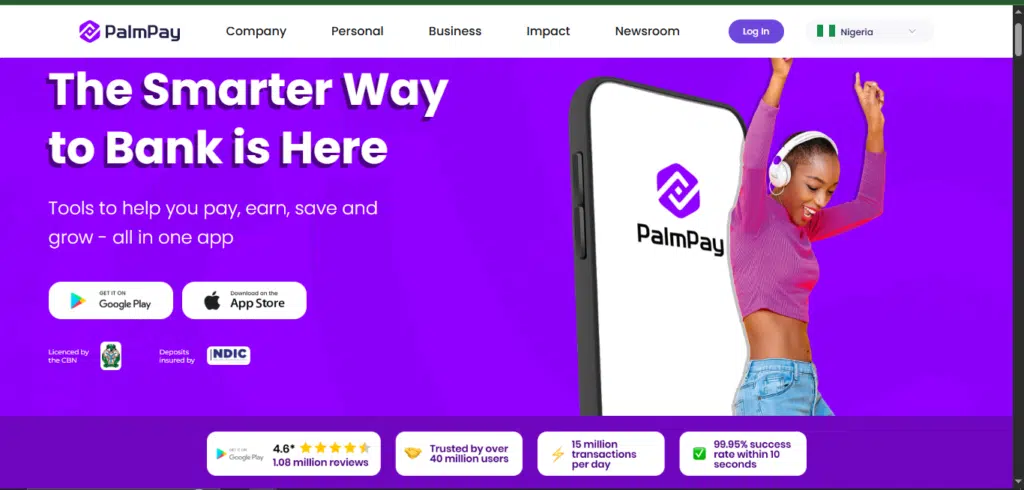
From my experience looking at how people use it, PalmPay’s biggest strength is making everyday payments feel rewarding through the constant cashback. Add its growing agent network and partnerships (including telcos), and you can see why the platform enjoys mass-market adoption.
What PalmPay offers
- Free PalmPay-to-PalmPay transfers.
- Up to 5% cashback on bills and transactions.
- ₦5,000,000 daily transaction limit.
- Virtual and physical debit cards.
- POS services and agent banking.
- Referral bonuses and reward programs.
Who it’s most suited for
If you or your business pays bills frequently, PalmPay makes a lot of sense.
3. Kuda (best for low-fee digital banking)
| Year founded | 2019 |
| Founders | Babs Ogundeyi, Musty Mustapha |
| Headquarters | Lagos, Nigeria (with UK incorporation) |
| Valuation | $500 million+ (2024) |
Kuda feels like what traditional banking in Nigeria should have evolved into, but didn’t. No maintenance fees, no hidden charges, no need to step into a banking hall. That simplicity helped it scale to 7 million+ users, but what’s more interesting is how deeply people use it.
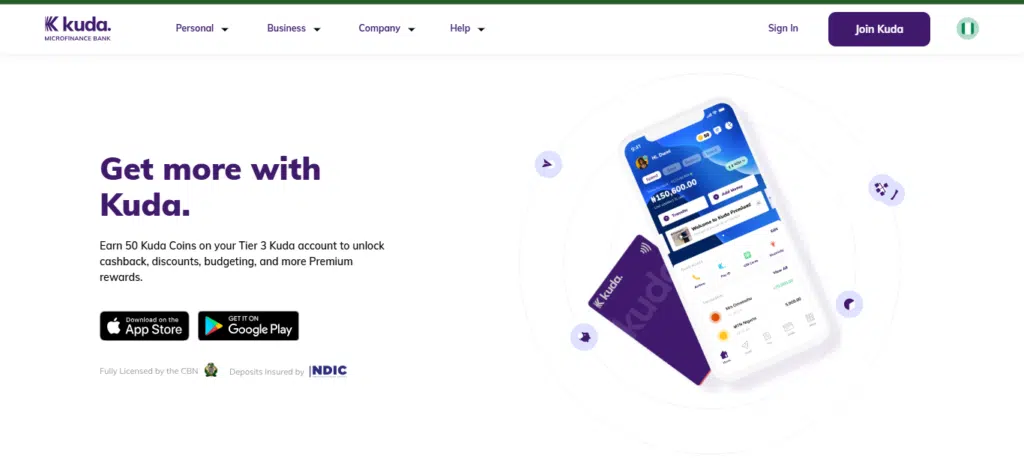
By Q1 2025, Kuda had processed ₦14.3 trillion across 300 million transactions, indicating it’s the primary account for most users. Features like automated savings, spending insights, and overdrafts (without formal applications) make it feel less like a wallet and more like a financial control center.
What Kuda offers
- 25 free transfers monthly.
- Up to 15% interest on savings.
- Zero maintenance fees.
- Smart budgeting and auto-saving tools.
- Overdrafts based on account activity.
- Physical and virtual debit cards.
Who does it serve best?
Kuda is ideal for salaried workers, freelancers, students, and mobile-first professionals who care about tracking spending and minimizing fees.
4. Carbon (best for loans and savings combo)
| Year founded | 2012 (rebranded to Carbon in 2019) |
| Founders | Chijioke Dozie, Ngozi Dozie |
| Headquarters | Lagos, Nigeria |
| Valuation | Not publicly disclosed |
| Major highlight | Early pioneer of instant digital lending in Nigeria |
Carbon started as a solution to a very specific problem: access to credit. Back when getting a loan meant paperwork, collateral, and long wait times, Carbon (then Paylater) flipped the script with instant, app-based lending. That foundation still defines how the platform works today.
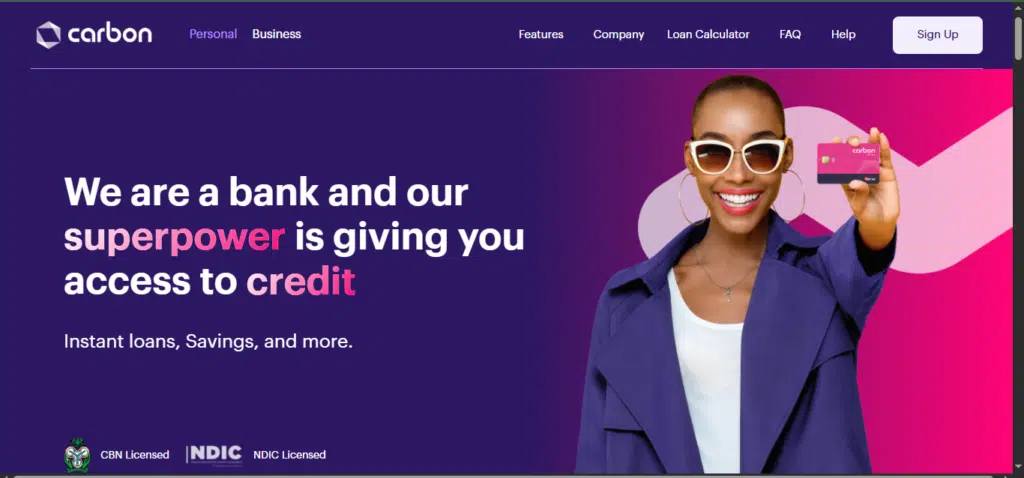
Now with 5 million+ users, Carbon has expanded into a broader financial app, covering payments, transfers, and savings, but credit remains its strongest edge.
What it offers
- Instant loans with flexible repayment.
- Up to 20% savings returns.
- Peer-to-peer transfers.
- Virtual debit card.
- Investment options with fixed returns.
- Credit tracking via Carbon Score.
Who should use this wallet?
Individuals who rely on short-term loans with flexible repayment options or want basic savings and investment tools alongside borrowing.
5. Moniepoint (best for business payments)
| Year founded | 2015 |
| Founders | Tosin Eniolorunda, Felix Ike |
| Headquarters | Lagos, Nigeria |
| Valuation | $1 billion |
| Funding | $200 million Series C (QED Investors, Novastar, Lightrock) |
Moniepoint didn’t start by targeting everyday users; it started by building infrastructure for banks. That background shows in how the product works today, with a focus less on flashy features and more on reliability at scale.
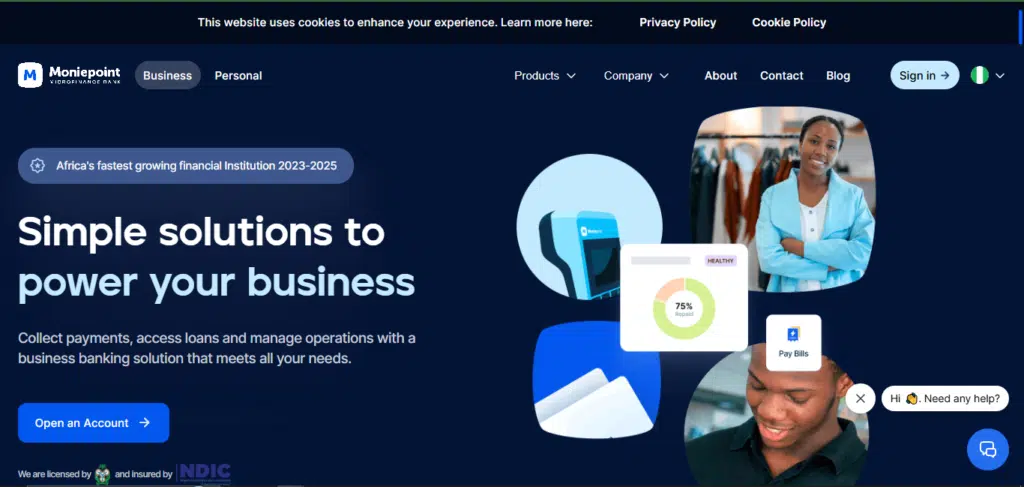
After evolving from TeamApt into Moniepoint, the company shifted focus to Nigeria’s retail economy, particularly small businesses that needed better payment tools. Today, it supports 1.8 million+ businesses, offering a full-stack solution that goes beyond simple transfers. From POS payments to working capital, it’s designed to handle the realities of running a business in Nigeria.
What it offers
- POS terminals for cash-in and cash-out.
- Agent banking (deposits, transfers, withdrawals).
- Business accounts with dashboards.
- Access to working capital and credit tools.
- Expense tracking and reporting for SMEs.
Who it’s most suited for
SMEs, merchants, and agents who need reliable payment processing, cash flow management, and access to credit in one place.
FAQs
Which mobile wallet has the lowest fees in Nigeria?
If you’re optimizing purely for cost, OPay, PalmPay, and Kuda stand out. Between free intra-wallet transfers and Kuda’s 25 free monthly transfers, you can reduce transaction costs significantly.
Can I use a mobile wallet without a BVN?
Yes, but with severe limits. Most wallets operate a tiered KYC system, meaning you can transact without a BVN, but you’ll typically be capped at around ₦50,000 until you verify your identity.
Are mobile wallets safe in Nigeria?
Generally, yes. Licensed wallets are regulated by the Central Bank of Nigeria, and deposits are insured by the Nigeria Deposit Insurance Corporation (NDIC) up to ₦5 million, offering a baseline level of protection.
Conclusion
There’s no single “best” mobile wallet option, only the best fit for how you use money.
- OPay and PalmPay are built for spending and everyday transactions.
- Kuda leans toward savings and financial control
- Moniepoint dominates business payments and collections
- Carbon stands out for credit.
The mistake most people make is choosing based on popularity. But the smarter move is choosing based on your actual behavior, that is, how often you transfer, save, spend, or run a business. Because in the end, the right wallet saves you money.
Citations
- https://tribuneonlineng.com/nigerias-opay-tops-2025-list-of-africas-leading-fintech-companies/
- https://southafrica.payu.com/blog/how-do-nigerians-want-to-pay/
- https://www.premiumtimesng.com/business/business-news/787965-special-report-inside-the-excessive-bank-charges-killing-nigerians.html
- https://nairametrics.com/2026/03/19/why-over-7-million-nigerians-bank-with-kuda/
- https://www.infoeast.ng/what-is-opay-current-valuation-in-2026/
- https://technext24.com/?mailpoet_router&endpoint=view_in_browser&action=view&data=WzkwMiwiOWJiZjE3Mzk2MGM2IiwwLDAsMTk5OCwxXQ
- https://tribuneonlineng.com/nigerias-opay-tops-2025-list-of-africas-leading-fintech-companies/
- https://dmarketforces.com/why-opay-deserves-a-place-on-the-nigerian-exchange-a-fintech-titan-in-the-making/
- https://www.opaycheckout.com/pricing.html
- https://tribuneonlineng.com/nigerias-opay-tops-2025-list-of-africas-leading-fintech-companies/
- https://www.vanguardngr.com/2025/11/kuda-launches-get-more-campaign-to-make-banking-more-rewarding-in-nigeria/
- https://nairametrics.com/2025/07/08/kuda-processes-n14-3-trillion-in-transactions-in-q1-2025/#back-to-top
- https://nairametrics.com/2025/10/21/moniepoint-raises-additional-90-million-to-close-200-million-series-c/
- https://moniepoint.com/blog/teamapt-rebrands-as-moniepoint-inc
- https://nairametrics.com/2025/10/21/moniepoint-raises-additional-90-million-to-close-200-million-series-c/
Disclaimer!
This publication, review, or article (“Content”) is based on our independent evaluation and is subjective, reflecting our opinions, which may differ from others’ perspectives or experiences. We do not guarantee the accuracy or completeness of the Content and disclaim responsibility for any errors or omissions it may contain.
The information provided is not investment advice and should not be treated as such, as products or services may change after publication. By engaging with our Content, you acknowledge its subjective nature and agree not to hold us liable for any losses or damages arising from your reliance on the information provided.
Always conduct your research and consult professionals where necessary.