



Only 3% of Africans are insured, but climate shocks, health emergencies, and device loss hit harder here than almost anywhere else.
Key takeaways
- Africa faces a major insurance protection gap, driven by low incomes and broken distribution channels. More than 80% of disaster-related economic losses remain uninsured.
- Traditional insurers haven’t had much success with pricing, trust, and claims speed.
- Mobile money unlocked a new path for microinsurance at scale.
- Embedded insurance is outperforming agent-led sales.
- The most successful insurtech African startups focus on simple products and fast payouts.
Insurance in Africa has always been something of a paradox. The risks (e.g., illness, crop failure, floods, accidents, and theft) are obvious, but coverage has stayed painfully low or non-existent in some areas. Today, only about 3% of Africans have any form of insurance, leaving a major protection gap. When shocks happen, households absorb the cost themselves, often falling back into poverty.
Traditional insurance models simply didn’t work here. That’s why insurance startups have tried to step in. Powered by mobile money, smartphones, and better data, a new wave of insurtech companies in Africa is rebuilding coverage from the ground up. They’re offering microinsurance, embedding protection directly into loans, devices, rides, and farm inputs, rather than months.
In this guide, you’ll meet six insurance startups transforming coverage across Africa.
Top 6 insurance startups in Africa
| S/N | Startup | HQ | Coverage type | Distribution model | Funding |
| 1 | Pula | Kenya | Agriculture (crop & climate insurance) | Embedded via agribusinesses, input suppliers, and banks | $20 million (Series B) |
| 2 | Lami | Kenya | Health, life, motor | API-first, embedded insurance infrastructure | $5.5 million |
| 3 | Pineapple | South Africa | Home, motor, valuables | App-first, peer-to-peer risk pooling | $25 million+ |
| 4 | MicroEnsure | Pan-Africa | Health, life, accident | Telcos, mobile money platforms, MFIs | $30 million+ |
| 5 | Curacel | Nigeria | Health, auto | API-driven claims & fraud infrastructure | $6 million+ |
| 6 | Reliance HMO | Nigeria | Health | Direct-to-consumer & employer plans | $48 million |
1. Pula (insuring smallholder farmers)
Pula provides agricultural insurance powered by satellite imagery, weather data, and crop models to protect farmers against climate-driven losses. Instead of relying on manual claims, payouts are triggered automatically when predefined weather thresholds are breached: drought, excess rain, or yield shock.
Business model
- Insurance is embedded directly into seed and fertilizer purchases through partnerships with agribusinesses, cooperatives, and lenders.
- Farmers typically pay $5–$15 per season, bundled invisibly into input costs.
- When losses occur, payouts are sent automatically via mobile money.
Why it works
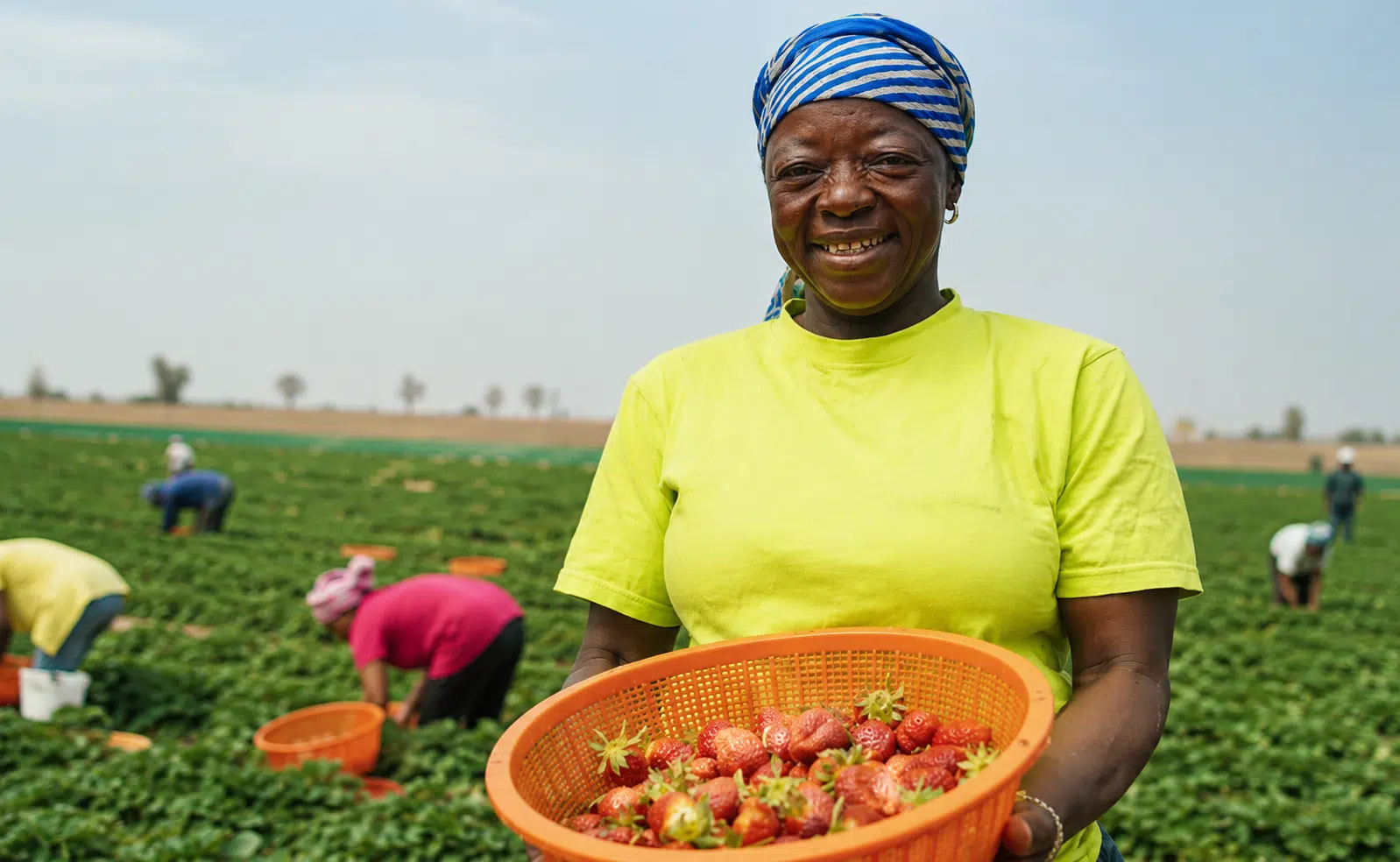
Smallholder farmers account for roughly 80% of Africa’s agricultural output, but they can’t access traditional crop insurance due to high premiums, slow claims, and trust gaps.
Pula flips the model with micro-premiums, instant payouts, and zero paperwork. The result is uptake rates of around 50%, far higher than conventional agri-insurance products in similar markets.
Traction
- Over 20.1 million farmers are insured across 22 countries.
- More than $2.6 billion in agricultural investment protected.
- 112 insurance & reinsurance partners and 70+ distribution partners.
- $133.9 million paid out to 2.8 million farmers.
- Pula raised a $20 million Series B led by BlueOrchard (InsuResilience strategy), with participation from the Bill & Melinda Gates Foundation, IFC, and Hesabu Capital.
2. Lami (Insurance-as-a-Service API)

Lami is a white-label Insurance-as-a-Service platform that lets banks, fintechs, and marketplaces embed insurance directly into their products.
Through a single API, partners can offer health, life, and motor coverage within existing customer journeys, with no licenses, underwriting setup, or claims infrastructure required.
Lami operates a B2B2C model, sitting quietly behind the scenes while partners own the brand and customer relationship.
Business model
- Lami runs a SaaS platform connected to over 15 African insurers.
- Partners distribute policies under their own branding while Lami manages underwriting orchestration, policy administration, and claims workflows.
- Revenue comes from revenue-sharing and platform fees, aligned with policy volume rather than agent commissions.
Why it works
Fintechs want insurance to boost retention and Average Revenue Per User (ARPU), but regulation, compliance, and claims operations are deal-breakers. Lami turns insurance into a plug-and-play feature, the same way Stripe did for payments. That makes insurance finally scalable across digital channels.
Traction
- More than 50 partners across banking, lending, eCommerce, and logistics.
- Clients include Stanbic Bank, Jumia, and Sendy.
- Over 500,000 policies issued, more than 1,500 active agents, and at least 30 underwriters.
- Live in Kenya, Uganda, Nigeria, with expansion into Egypt, Malawi, and the DRC.
- Lami has raised over $5.5 million, including a $1.8 million seed and a $3.7 million extension led by Harlem Capital.
Use case
A bank offers a free $500 life cover when a customer opens a savings account. It’s embedded, instant, and invisible.
3. Pineapple (app-first, peer-powered insurance)
Pineapple is a mobile-first, peer-enabled insurance platform focused primarily on car and home contents insurance. Users buy, manage, and claim entirely through an app with no brokers, paper, or phone calls. A portion of premiums is pooled into a community fund that pays smaller claims, while large claims are covered by the underwriter.
Business model
- Pineapple earns money through policy administration fees and a share of underwriting margins.
- The peer pool creates aligned incentives: safer behavior means fewer claims, lower costs, and potential cash back for members.
Why it works
Traditional insurance in South Africa is broker-heavy, unclear, and mistrusted. Pineapple simplifies this with much-needed transparency, instant digital onboarding, and faster claims. The peer structure also reduces fraud and encourages responsible driving.
Traction
- Tens of thousands of active policyholders in South Africa.
- Strong adoption among younger, urban drivers.
- Claims processed fully in-app, often within days, not weeks.
- Strategic underwriting partnership with Old Mutual provides scale and regulatory cover.
- Secured $3.4 million Series A funding in 2021.
4. MicroEnsure (insurance via mobile phones)
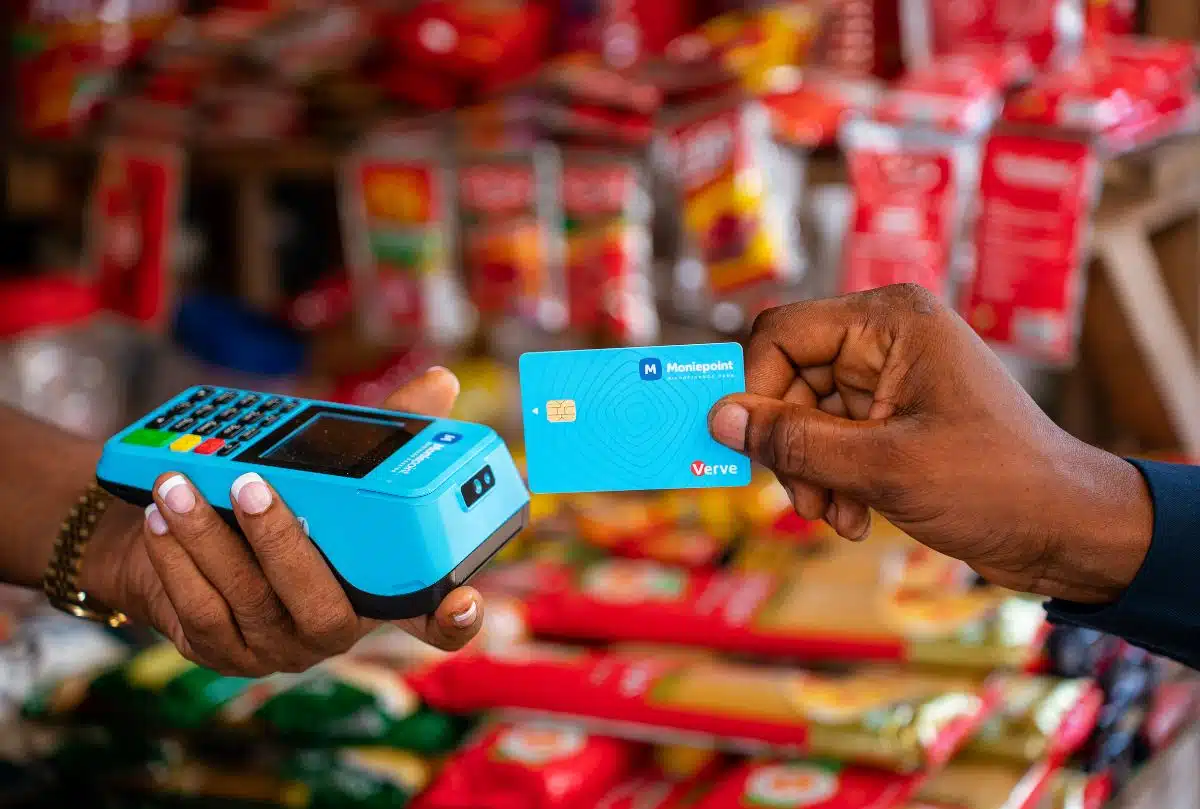
MicroEnsure pioneered mass-market microinsurance distributed via mobile phones, working directly with telcos and mobile money platforms to reach people traditional insurers never could. Health, life, and personal accident cover were bundled into everyday mobile usage.
Note: MicroEnsure no longer operates as a standalone entity. It merged with STP Group and TonkaBI in 2020 to form MIC Global. In Ghana, its local operations were later acquired by Turaco in September 2023.
Business model
MicroEnsure popularized the freemium insurance model.
- Basic coverage bundled with airtime or data usage.
- Users automatically qualify, not requiring forms or agents.
- Upsell paths to paid plans for higher coverage limits.
Why it works
Africa has 500 million mobile money users, but insurance penetration remains painfully low. By embedding insurance into mobile behavior people already understand, MicroEnsure eliminated the biggest blockers: trust, complexity, and distribution cost. For millions, this was better insurance, but more importantly, it was their first-ever insurance product.
Traction
- Over 100 million customers globally across Africa and Asia.
- Active in multiple African markets via telco partnerships.
- More than $30 million raised from impact and development investors, including Omidyar Network, Telenor, and IFC
5. Curacel (automating claims in Africa)
Curacel builds AI-powered infrastructure for insurers to automate claims and detect fraud. Instead of insurers relying on manual reviews, paperwork, and phone calls, Curacel digitizes the entire claims lifecycle (submission, verification, assessment, and payout) through APIs and automated workflows.
Business model
Curacel operates a pay-as-you-go SaaS model, typically charging insurers per claim processed.
- API-based integration into insurer systems.
- Revenue scales directly with claims volume.
- No heavy upfront licensing costs.
- Insurers only pay when the platform is actively delivering value.
Why it works
Globally, many people remain underinsured. And in Africa, mistrust around claims is the single biggest adoption blocker. Slow payouts, opaque decisions, and fraud inflate costs for insurers and frustrate customers. Curacel tackles this head-on by cutting claims processing from weeks to hours, improving transparency while reducing leakage from fraudulent claims.
Traction
- Used by more than 20 insurers.
- Over $100 million in claims processed.
- Network of at least 5,000 service providers.
- Active across 12 markets, including Nigeria, Kenya, Egypt, Ghana, South Africa, and Côte d’Ivoire.
Funding
- Over $6 million raised from Tencent, Y Combinator, Google, Visa, Atlantic Ventures and Consonance.
6. Reliance Health (digital health insurance in Nigeria)
Reliance Health delivers tech-enabled health insurance for individuals and businesses. It’s built for people who are tired of opaque HMO rules and endless hospital delays.
Through its app, users can find hospitals, get approvals, manage plans, and access care without the traditional paperwork-heavy experience that defines much of Nigeria’s health insurance market.
Business model
Reliance operates a hybrid model.
- Direct-to-consumer plans are sold and managed via its app.
- Employer-sponsored health plans for startups, SMEs, and large companies.
- Digitally managed provider networks, where hospitals, pricing, and approvals are coordinated in real time.
This vertical control enables Reliance to manage costs while maintaining a consistent customer experience.
Why it works
Nigeria’s HMO system is deeply fragmented. Slow approvals, unclear pricing, and poor service are the norm. Reliance tries to get in front of these by offering transparent pricing, faster approvals, and digital-first care coordination. It removes HR headaches for employers and finally makes private health insurance feel usable for individuals.
Traction
- Over 4,000 businesses served, 251,000 people covered globally, and 2,000 hospitals and clinics across all 36 Nigerian states.
- Expanded operations to Egypt.
- Reliance Health has raised $48 milllionn, including a landmark $40 million Series B in 2022, backed by General Atlantic, Partech, Tencent, and Y Combinator.
Why insurance startups succeed where traditional insurance failed
Traditional insurance in Africa was built for a small, urban elite.
High annual premiums priced out most people. Agent-driven sales slowed distribution. Claims took months, killing trust. And coverage rarely extended beyond major cities. The result was insurance that felt expensive, slow, and irrelevant.
Insurtech improved the model.
- Instead of $500–$2,000 annual premiums, startups offer micro-premiums as low as $0.50–$15 per month.
- Distribution is embedded; accessible within fintech apps, telco services, and everyday transactions, so users don’t have to search too hard for insurance.
- Claims are automated or parametric, paying out in hours, not weeks.
- Mobile-first UX, including USSD, meets users where they already are.
In short, startups didn’t fix insurance. They rebuilt it for real life.
FAQs
Which insurance startup is best for farmers?
Pula leads in agricultural coverage, offering parametric insurance embedded in seed and fertilizer purchases.
Can I get health coverage on my phone?
Yes. Startups like Lami, Curacel, and Reliance HMO provide mobile-first health insurance with instant enrollment and claims processing.
Conclusion
African insurance startups are closing the continent’s protection gap.
By using mobile-first design, micro-premiums, and automated claims, they make coverage accessible, affordable, and trustworthy.
From agriculture to health, these six startups demonstrate that tech-driven innovation can finally deliver insurance that works for everyday Africans.
Disclaimer!
This publication, review, or article (“Content”) is based on our independent evaluation and is subjective, reflecting our opinions, which may differ from others’ perspectives or experiences. We do not guarantee the accuracy or completeness of the Content and disclaim responsibility for any errors or omissions it may contain.
The information provided is not investment advice and should not be treated as such, as products or services may change after publication. By engaging with our Content, you acknowledge its subjective nature and agree not to hold us liable for any losses or damages arising from your reliance on the information provided.
Always conduct your research and consult professionals where necessary.