
Take a moment and think about the last time you paid for something. Chances are, you didn’t pull out a physical card. You tapped your phone.
From supermarkets to cafés, airports to restaurants, contactless payments have quietly become part of everyday life. For many people, Apple Wallet and Google Wallet are no longer “nice-to-have” tools; they’ve replaced the traditional wallet completely.
While the way we pay has changed, most virtual cards have mostly stayed the same. They work perfectly for apps, subscriptions, and online shopping… but the moment you step into a physical store, they often stop being useful.
That’s the gap Cardtonic’s new Platinum Card is designed to close.
Why Virtual Cards Are No Longer Enough
Virtual cards solved a big problem. They made it easy to pay online, shop internationally, and manage subscriptions without relying on traditional bank cards.
But user behavior has moved forward.
Today, people want one card experience that works everywhere: On websites, inside apps, at supermarkets, at restaurants, and on any POS terminal.
Many users now experience a split system: a virtual dollar card for online payments and a separate method for everyday in-person spending. It’s not a major inconvenience, but it’s a clear gap — especially in a world where tapping a phone to pay is becoming the norm.
So the question becomes: why can’t your virtual card do both?
Introducing the Cardtonic Platinum Card
With Cardtonic’s latest app update on web and mobile, users can now create a Platinum Card directly on the platform.
This isn’t just another virtual card.
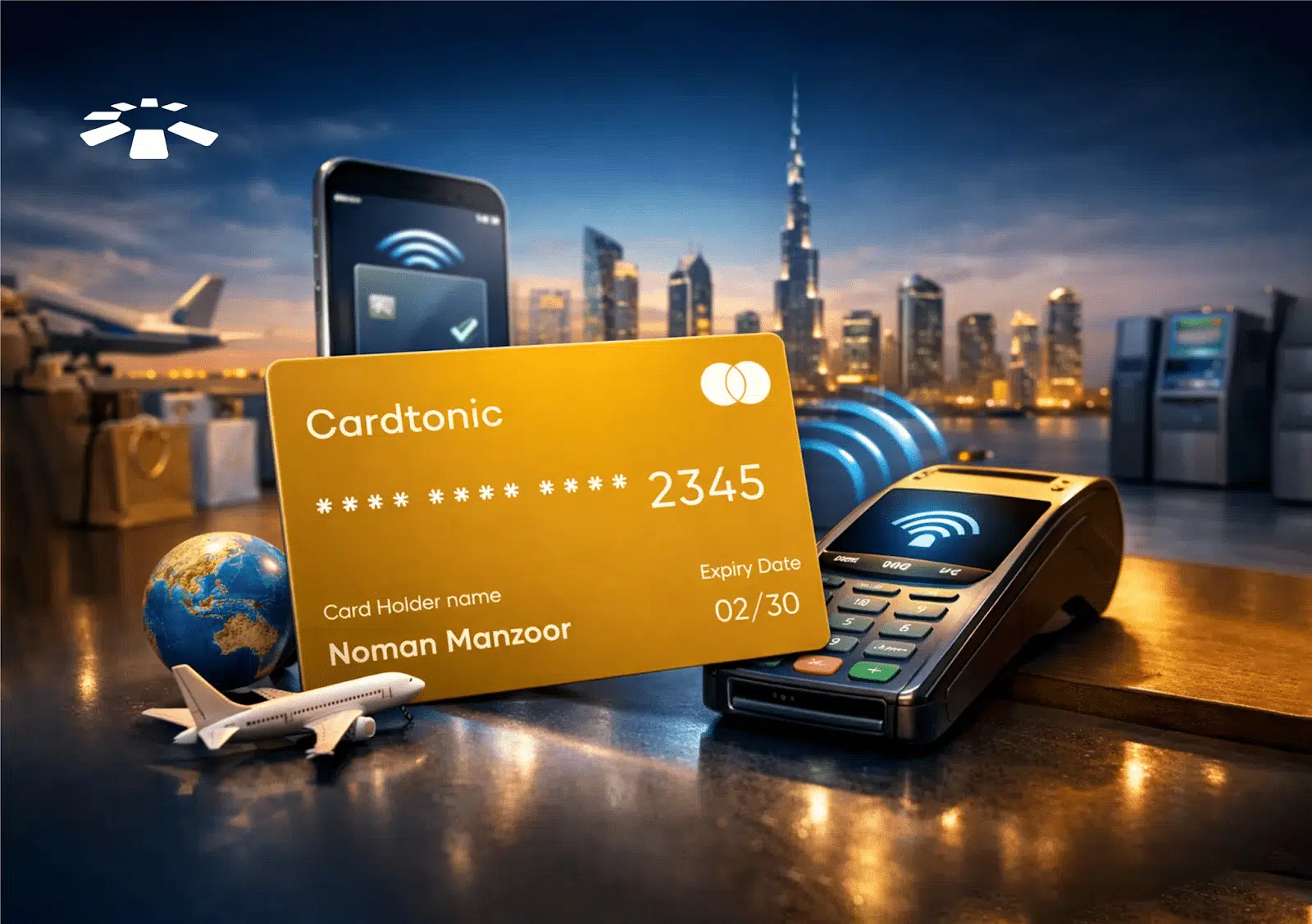
The Platinum Card is tokenized, NFC-enabled, and can be added to Apple Wallet and Google Wallet. Users can create either a Visa or Mastercard Platinum Card for a $5 creation fee and follow simple guides to add it to their mobile wallet.
In simple terms, your Cardtonic card no longer lives only inside the app.
It now lives inside your phone — where you already make payments.
That means the same card you use for subscriptions and online shopping can now be used to tap and pay in physical stores.
What Tokenization and NFC Mean
You don’t need to understand the technology to enjoy the benefits, but here’s what it means in plain language.
Tokenization protects your card details by replacing them with secure digital tokens when added to your wallet. This makes wallet payments safer than manually entering card details.
NFC is what allows your phone to communicate with payment terminals when you tap to pay. It’s fast, secure, and seamless.
Together, they make payments quicker, safer, and easier than reaching for a physical card, and most importantly, they match how people already prefer to pay today.
Regular Card vs Platinum Card — Your Choice
The arrival of the Platinum Card doesn’t mean your existing Cardtonic card suddenly becomes outdated.
Regular virtual cards still work perfectly, especially if most of your payments happen online. The Platinum Card is simply for users who want to take that same experience a step further — into mobile wallets and contactless, real-world payments.
And if you want one card that works both online and everywhere you go, the Platinum Card makes that possible.
In all, nothing is being replaced. Nothing is being forced. You just have more flexibility to choose what works best for you.
Why This Matters Now
This update comes at a time when contactless payments are becoming standard across the world. More people are comfortable paying with their phones. More stores accept tap-to-pay. Mobile wallets are becoming the default way to carry cards.
Cardtonic is simply aligning its virtual card experience with this reality.
Instead of your card being limited to screens and websites, it can now move with you into everyday life — from paying for Netflix to paying for groceries.
A Small Update, A Big Shift
The Platinum Card isn’t about adding something flashy. It’s about removing a limitation that virtual cards have had for years.
By combining tokenization, NFC, and mobile wallet integration, Cardtonic is turning virtual cards into everyday payment tools and not just online payment solutions.
Because now, your card doesn’t have to stay inside an app.
It can move with you, wherever you go.