

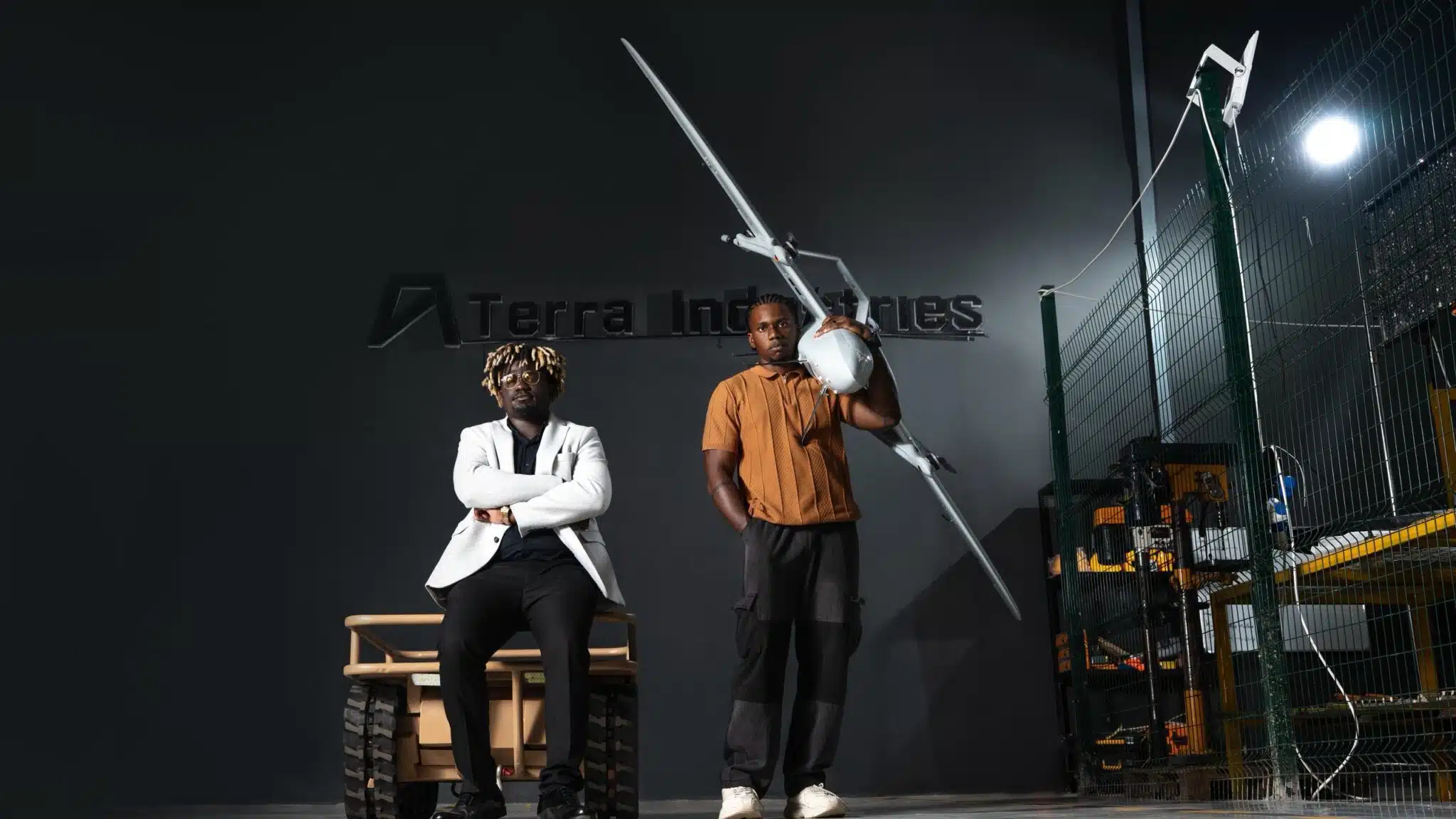


Terra Industries, formerly known as Terrahaptix, has raised $11.75 million to scale its manufacturing capabilities as a defence company. The company, which briefly exited the defence market, is now fully re-entering it.
Co-founder and CEO Nathan Nwachuku said the company has decided to fully identify as a defence startup as the need for security in Africa becomes more pressing.
“We need to protect Africa’s critical infrastructure from terrorist attacks. We have been a bit wary of calling ourselves a defence company, but now we’re doing it fully.”
Terra’s $11.75 million funding round is led by 8VC, founded by Palantir co-founder Joe Lonsdale. The round, which includes only US-based investors, saw participation from Valor Equity Partners, Lux Capital, SV Angel, Leblon Capital, Silent Ventures, Nova Global, and angel investors, including Alex Moore, who sits on the board of Palantir, and California-based investor Meyer Malka.
Nwachuku told Techpoint Africa that the company was deliberate about raising capital from investors who fully understand the defence market.
“The rules for a defence company are very different from the rules for a fintech, for example. We need to structure the company properly in order to protect trillions of dollars’ worth of critical infrastructure.”
The young startup has also been strategic about selecting its board members, bringing on Eliot Pence, a former executive at Anduril, a $14 billion defence company in the US. It has also recently added Alex Moore from Palantir to its board.
These strategic moves have begun to pay off. Just a year after launch, the company recorded $2 million in total orders. In 2025, it also beat an Israeli firm to secure a $1.2 million contract to protect hydropower dams.
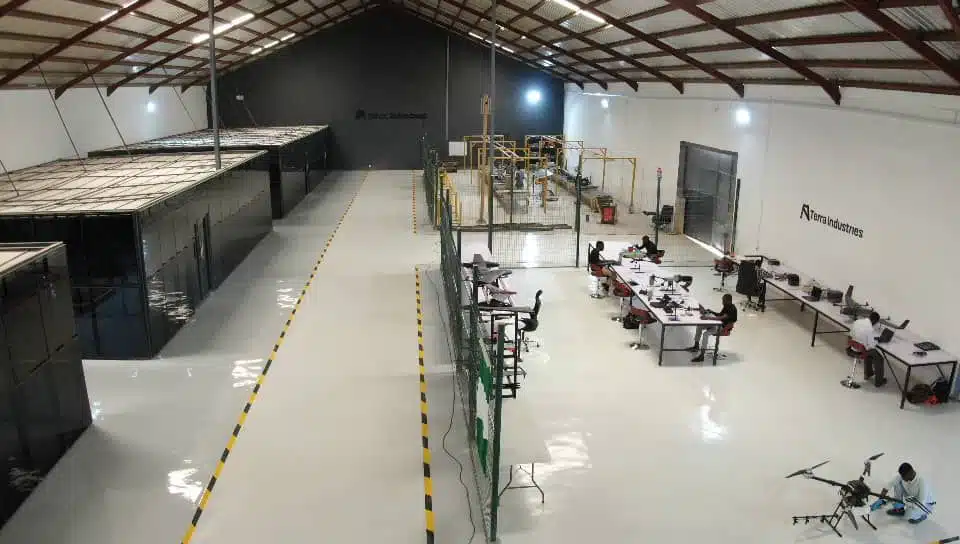
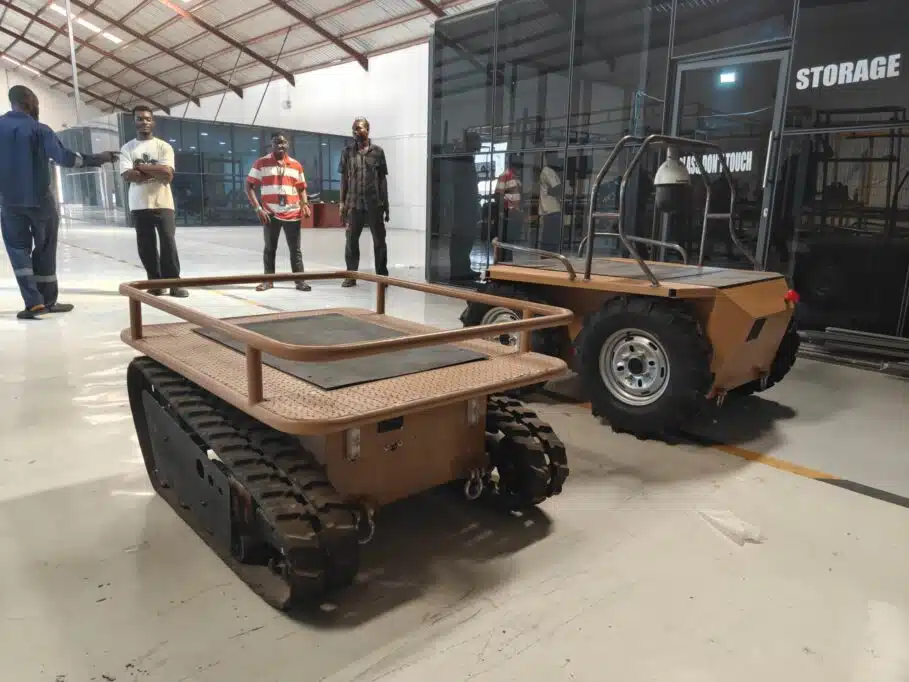
With the new funding, the company plans to expand its manufacturing capabilities. It will build more factories and hire additional engineering talent to boost production.
Giving Africa the tech edge
When Techpoint Africa spoke to Nwanchuku in 2024, he stated that the idea behind starting Terrahaptix with Maxwell Maduka was to create something from Africa that mattered. “I think I’m a Pan-Africanist. I want to see Africa work in my lifetime.”
Interestingly, the mission remains the same, but it has now expanded to ensure that the continent is secure.
“Africa is industrialising faster than any other region, with new mines, refineries, and power plants emerging every month. But none of that progress will matter if we don’t solve the continent’s greatest Achilles heel, which is insecurity and terrorism. Our mission is to give Africa the technological edge to protect its industrial future and defeat terrorism.” Nwanchuku said.
However, some have called the company’s ability to do this into question, especially with foreign investors backing the company. The CEO noted that the company still has African investors from its first raise of $640,000.
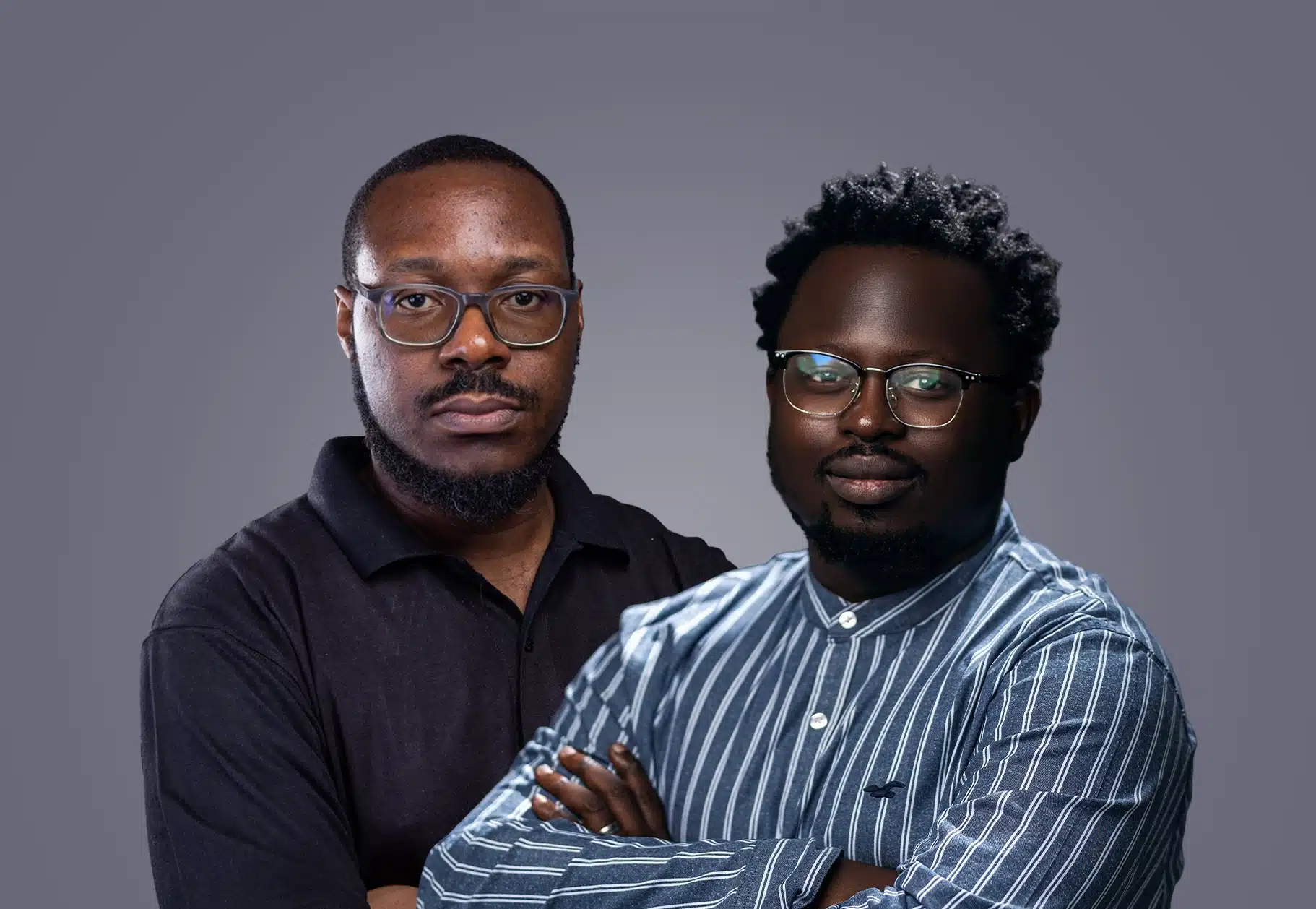
Maduka, the company’s co-founder and CTO, also reinforced the company’s commitment to the continent by saying, “This is African technology, built by African engineers, for African infrastructure. We are creating skilled jobs, building advanced manufacturing capacity, and ensuring the intellectual property behind Africa’s security stays on the continent.”
Taking on more government contracts
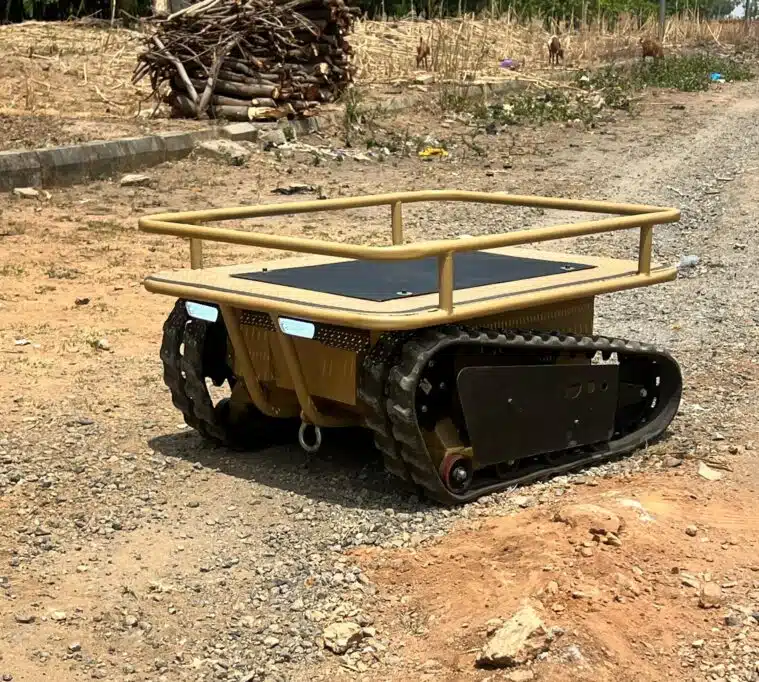
While Terra has generated revenue from commercial clients, particularly in the mining and oil industries, it plans to place greater emphasis on government projects. The company currently helps secure infrastructure assets valued at approximately $11 billion across Africa.
According to the CEO, this shift aligns with Terra’s mission and also opens up additional revenue opportunities.
With this new funding, Terra can be seen as being on par with competitors like Sora, which recently raised a total of $7.3 million to deploy AI-powered drones across different industries. However, Terra’s Silicon Valley backers may give it an edge over the competition.
While Terra’s product line extends beyond drones, the Archer Drone is one of its flagship offerings. Notably, drone companies operating in Africa—from Sora to Zipline—have been attracting significant funding.
As the only truly African company among the top players, Terra’s success is critical not just to securing vital infrastructure but also to putting the continent on the map in the deep tech space.